National Recovery Month

September marks National Recovery Month, a nationwide initiative dedicated to promoting and supporting evidence-based treatment and recovery practices. It celebrates the resilience and strength of the recovery community and recognizes the commitment of service providers and community members who make recovery possible.

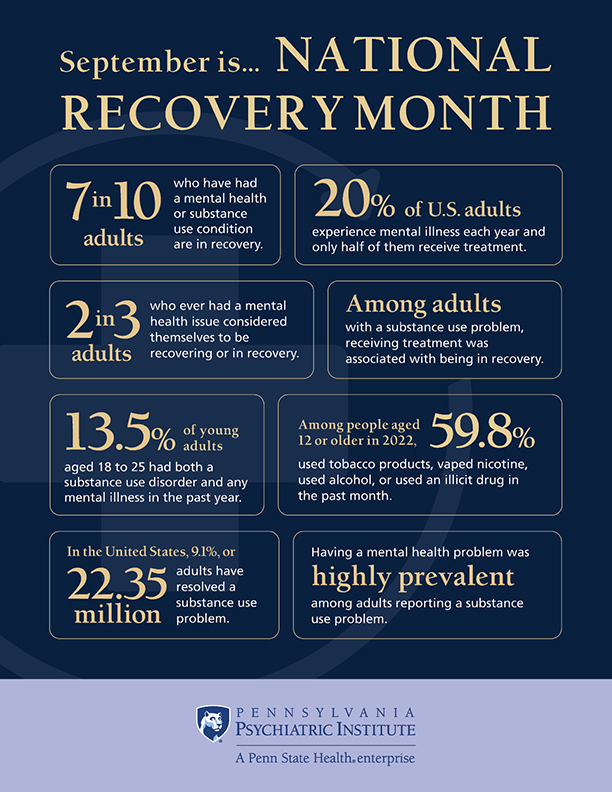
September is National Recovery Month

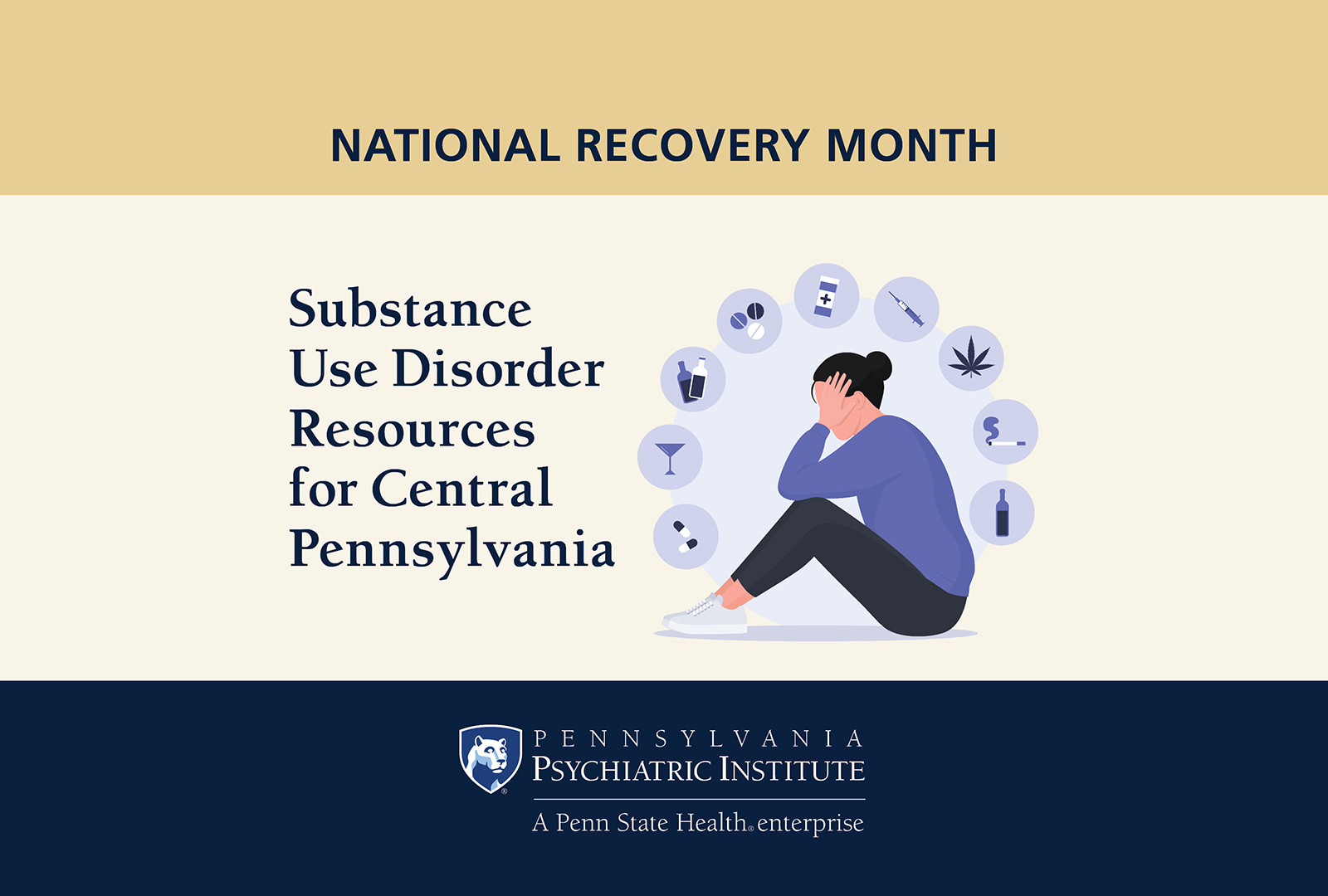
Substance Use Disorder Resources for Central Pennsylvania

Living in central Pennsylvania, many of us know someone who may be facing a substance use disorder. According to the Centers for Disease Control and Prevention (CDC), one in 14 Americans struggles with this issue, often stemming from stress, trauma, mental health challenges or misuse of prescribed opioids. Signs of addiction include declining work or school performance, physical neglect, behavioral changes and financial issues. It's important to recognize these signs and seek help.

"Asking for help is a crucial step towards recovery. Finding the right resources can make a significant difference in your journey to sobriety," says Dr. Sarah S. Kawasaki, Addiction Services Director at the Pennsylvania Psychiatric Institute (PPI), a Penn State Health enterprise. "Utilize the available support systems, and don't hesitate to reach out."

Fortunately, there are local resources available to assist with screening, treatment and recovery:

Local Government Support

Residents of Adams, Cumberland, Dauphin, Perry and York counties have access to a continuum of quality substance abuse prevention, intervention and treatment services. While each county is different, community drug and alcohol services are generally offered at no cost. More details are available on the counties’ websites:

Substance Abuse and Mental Health Services Administration (SAMHSA) Helpline

The SAMHSA National Helpline is a free, confidential, 24/7, 365-day-a-year treatment referral and information service for individuals and families facing mental and/or substance use disorders. It provides referrals to local treatment facilities, support groups and community-based organizations. The helpline is available in English and Spanish and supports those without health insurance.

The helpline is available at no cost by dialing 1-800-662-HELP (4357).

You can learn more about SAMHSA by visiting SAMHSA.gov.

Sober Apps

Apps can significantly aid the recovery process by providing tools for tracking sobriety, connecting with support networks, accessing counseling and receiving motivational reminders. These features help individuals maintain their commitment to recovery, monitor their progress and find immediate support when facing challenges.

Below are five apps highlighted by the US Drug Enforcement Administration’s (DEA) resource for parents, educators and caregivers, “Get Smart About Drugs.

Peer Support Groups

Peer support groups are crucial in recovery from substance use disorders for several reasons. They provide emotional support and understanding from those with similar experiences, reducing feelings of isolation and stigma. These groups offer practical advice and coping strategies, fostering a sense of community and accountability. Peer support enhances motivation and commitment to recovery by sharing successes and challenges. Additionally, these groups often provide resources and information about treatment options and other supportive services.

Numerous support groups are available, but USA.gov recommends the following:

  • Alcoholics Anonymous is a global fellowship of individuals who share their experiences, strength and hope with each other to solve their common problems and help others recover from alcoholism.
  • Al-Anon is a support group for friends and families of problem drinkers, offering a space to share experiences, find understanding and develop effective ways to cope with the challenges associated with a loved one's alcoholism.
  • Alateen is a support group for teenagers (ages 13 to 18) affected by someone else's alcoholism, providing a space to share experiences, strength and hope to cope with their challenges.
  • Narcotics Anonymous is a worldwide group that offers support to individuals recovering from drug addiction through shared experiences and a twelve-step program.
  • NAR-Anon is a support group for family members and friends of individuals struggling with addiction, providing a community for sharing experiences and finding strength.
  • SMART Recovery is a science-based program that supports individuals in overcoming addictive behaviors by promoting self-empowerment and self-reliance through its four-point program, which includes building and maintaining motivation, coping with urges, managing thoughts and behaviors and living a balanced life.

Advancement In Recovery (AIR) Program

The AIR Program by PPI offers comprehensive Medication Assisted Treatment (MAT) for individuals struggling with opioid use disorder. The program includes services such as methadone maintenance, daily Suboxone or Subutex, Vivitrol and Naltrexone treatments, individual and group counseling, intensive outpatient programming, family therapy and various support group meetings. The AIR team consists of experienced medical doctors and clinicians who support patients throughout all phases of treatment.

Learn more by calling the PPI Admissions Department at 717-782-6420 or by visiting the AIR website.

NEXT Distro

The NEXT Distro program in Pennsylvania offers free naloxone (Narcan) by mail to individuals at risk of opioid overdoses. This life-saving medication can reverse overdoses, helping to prevent fatalities. The program also provides educational resources on overdose response and supports harm reduction strategies. No prescription is needed to access naloxone through this initiative.

Learn more by visiting NextDistro.org.

Drug Take-Back Locations

The Prescription Drug Take-Back Program by Pennsylvania's Department of Drug and Alcohol Programs (DDAP) focuses on preventing the misuse of prescription drugs by offering safe disposal options for unused medications. It encourages locking up medications, not sharing them and using designated drug take-back boxes or disposal pouches. The DEA designates acceptable items, while items like hydrogen peroxide and illicit drugs are not accepted.

The DEA allows for the disposal of the following medications:

  • Over-the-counter medications
  • Prescription medications
  • Prescription patches
  • Prescription ointments
  • Vitamins
  • Pet medicines

You can find the closest location by visiting the DDAP website.

Asking for Help

"Remember, it's important to ask for help if you or someone you know is struggling with substance use. Utilizing the local resources listed can be a crucial step towards recovery," says Dr. Kawasaki. "Additionally, you can contact PPI for support 24 hours a day, seven days a week, by calling their admissions department at 1-866-746-2496. Seeking assistance is a courageous and necessary step."

For more information on finding help, visit Pennsylvania’s DDAP or PPI websites.

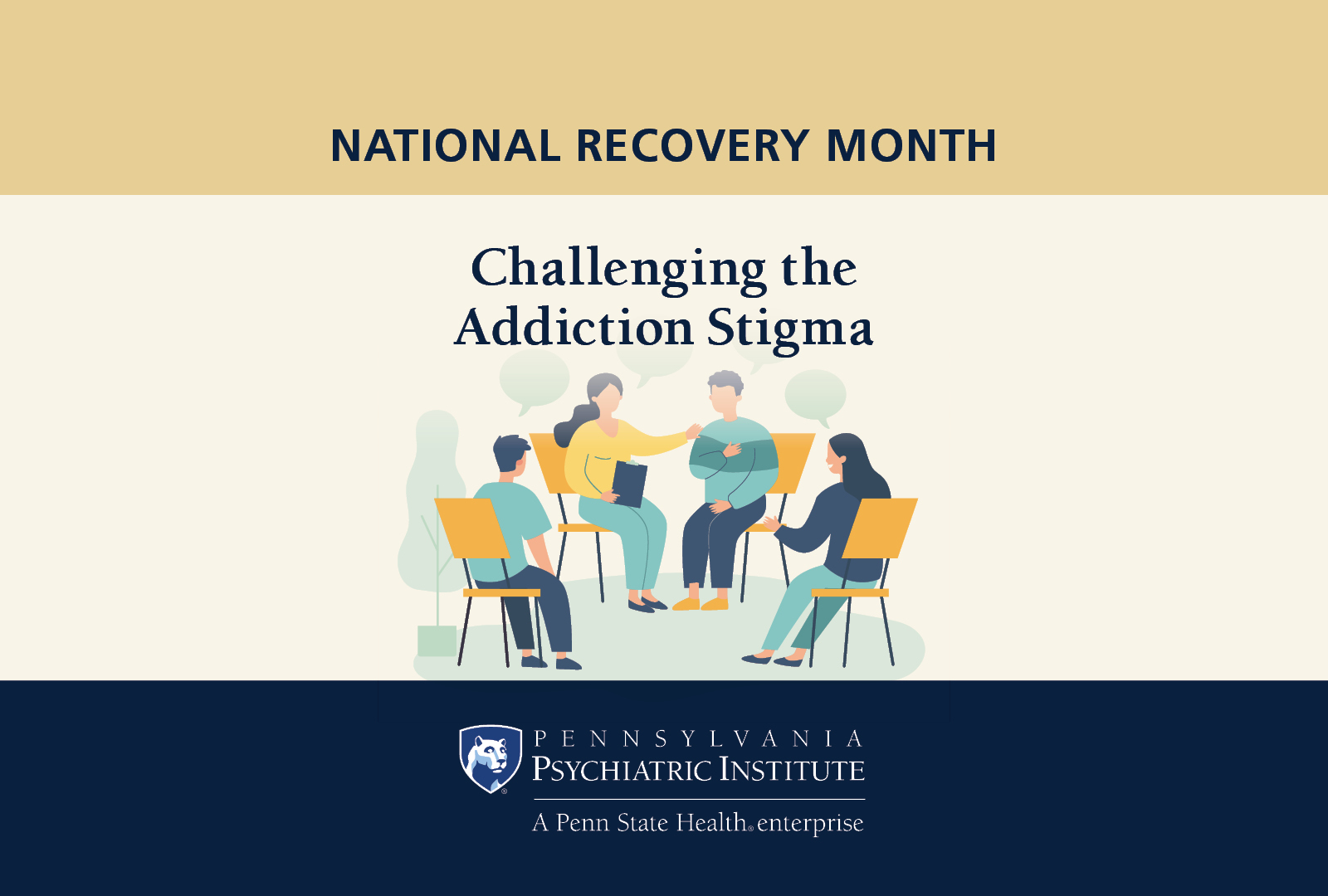
Challenging the Addiction Stigma

In our society, addiction is often misunderstood and vilified, leading to profound stigmatization of those with substance use disorders. This stigma can manifest as negative attitudes, discrimination, and biases that create significant barriers to recovery. Given the devastating impact of drug overdoses on American lives—with over 100,000 fatalities in the United States during 2023*—it is crucial that we address this issue head-on.

The History of Stigma

Stigma, derived from Latin and Greek, originally referred to a mark signifying disgrace. In today's context, it alludes to labeling, discrimination and stereotyping. One of the prevalent misconceptions is that addiction is a personal choice and reflects a moral failing. Such beliefs are deep-rooted and persistent, not only in the general public but also among professionals, including those in the health care industry.

There is an abundance of evidence demonstrating that stigma adversely affects the health and well-being of those with substance use disorders. It creates a barrier to accessing quality care in clinical settings. The urgency to combat this stigma cannot be stressed enough.

"At PPI, we believe that every individual deserves a chance at a brighter tomorrow. Our commitment isn't just to treat symptoms but to empower each patient with knowledge, understanding and the tools to rebuild their lives," says Joel Thomas, a counselor 1 at PPI.

The National Institute on Drug Abuse (NIDA) further underscores that the stigma against those with substance use disorders hampers effective treatment. Many aren't aware that substance use disorders are caused by changes in the brain that render drug use a compulsion, often leading to behaviors that further alienate and stereotype individuals with addiction.

"Mental health care isn't a luxury but a lifeline for those with substance use disorders. It's the bridge that connects despair to hope, isolation to community and illness to healing," emphasizes Dr. Sarah Sharfstein Kawasaki, MD, assistant professor of Psychiatry and director of Addiction Services at PPI.

The onus is on health care providers and society at large to understand and treat substance use disorders for what they truly are: chronic yet treatable medical conditions. Individuals grappling with these disorders deserve empathy, compassion and respect.

The Power of Language

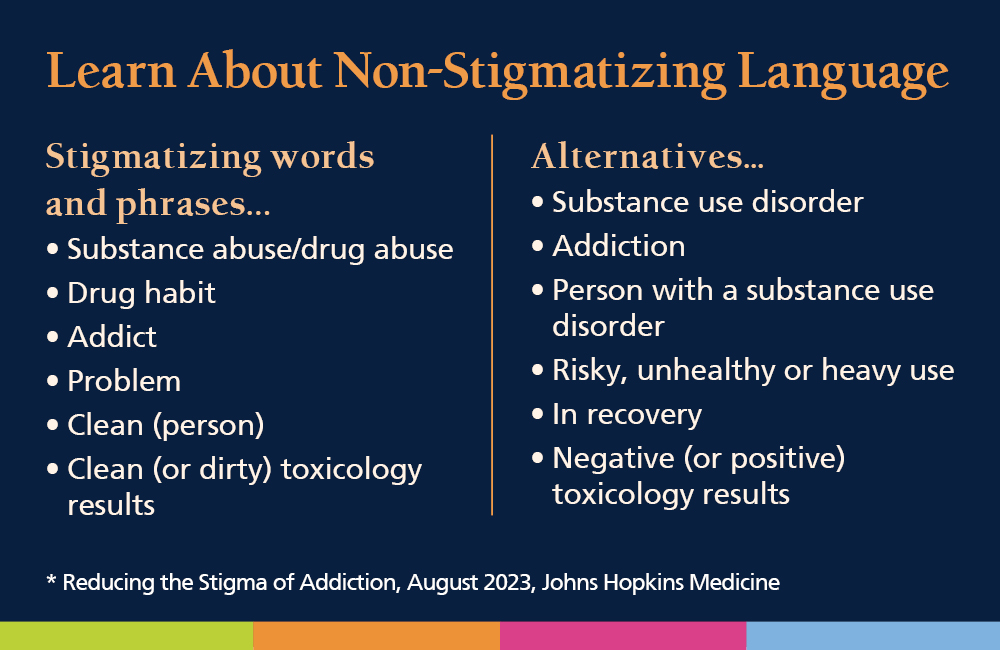
One way to combat this damaging stigma is through our words. The National Institute on Drug Abuse emphasizes the importance of "person-first" language. Rather than label someone as a "substance abuser", we should say "person with a substance use disorder," recognizing their humanity first. Such shifts in language, while seemingly small, can have profound effects on how individuals with substance use disorders are perceived and treated.

Societal Inequities and Stigma

Systemic issues, such as racism, can compound the challenges faced by those with substance use disorders. Discrimination can increase susceptibility to these issues and impede access to vital treatments. These inequalities further underline the urgency of fostering understanding and compassion in our approach to addiction.

Learn About Non-Stigmatizing Language

A Call to Action

Each one of us has a role to play in reducing stigma. Whether you're a healthcare professional, researcher, family member or someone directly affected by substance use, it's imperative to:

  • Use appropriate, non-stigmatizing language.
  • Educate yourself and others about the nature and causes of addiction.
  • Advocate for accessible, evidence-based treatments.
  • Stand against systemic discrimination that intensifies stigma.

PPI's Commitment: The AIR Program

Understanding the complex nature of addiction and the importance of compassionate, expert care, PPI introduced the Advancement in Recovery (AIR) Program. This comprehensive Medication Assisted Treatment Program is tailor-made for individuals grappling with Opioid Use Disorder.

The AIR team is a group of dedicated medical doctors and clinicians with profound expertise in handling opioid use disorders and transitioning patients to Buprenorphine, Methadone and Vivitrol. These experts stand by patients through every phase of treatment, providing not just medical intervention, but also the emotional and psychological support essential for recovery.

Stigma can be a formidable adversary in the battle against addiction. However, with informed perspectives, compassionate approaches, and evidence-based treatments like the AIR program, we can create a society where individuals with SUDs receive the support and understanding they so rightly deserve.

*U.S. Overdose Deaths Decrease in 2023, First Time Since 2018 (cdc.gov)

Coming Up For AIR: An Innovative Treatment Program Provides Hope for Patients

September is National Recovery Month. Each September, we aim to educate our community about substance use disorders and promote our services that help those with substance use disorders live healthy and rewarding lives.

The hard work that goes into a successful treatment plan often goes unnoticed, and National Recovery Month celebrates the achievements made by everyone in recovery by reinforcing the positive actions they have taken to regain their health. We are proud of our staff members who help to facilitate the recovery process, but we are the proudest of our patients who have put in the work and have been successful in their recovery.

Opioid use disorder is everywhere, and central Pennsylvania is no exception. Statewide, Pennsylvania has some of the highest overdose rates in our nation. In 2023, the Dauphin County Coroner ruled that 125 people died by drug overdose in Dauphin County alone.

The epidemic is overwhelming, but it is important to remember that people do recover. It is possible to overcome addiction. You are not alone. It’s just a matter of reaching out for help and getting connected with effective, evidence-based and comprehensive treatment.

PPI provides help with their innovative Advancement In Recovery (AIR) Program. Through a combination of medication-assisted treatment and intensive counseling, people with opioid use disorder are getting a second chance to live a fulfilling life.

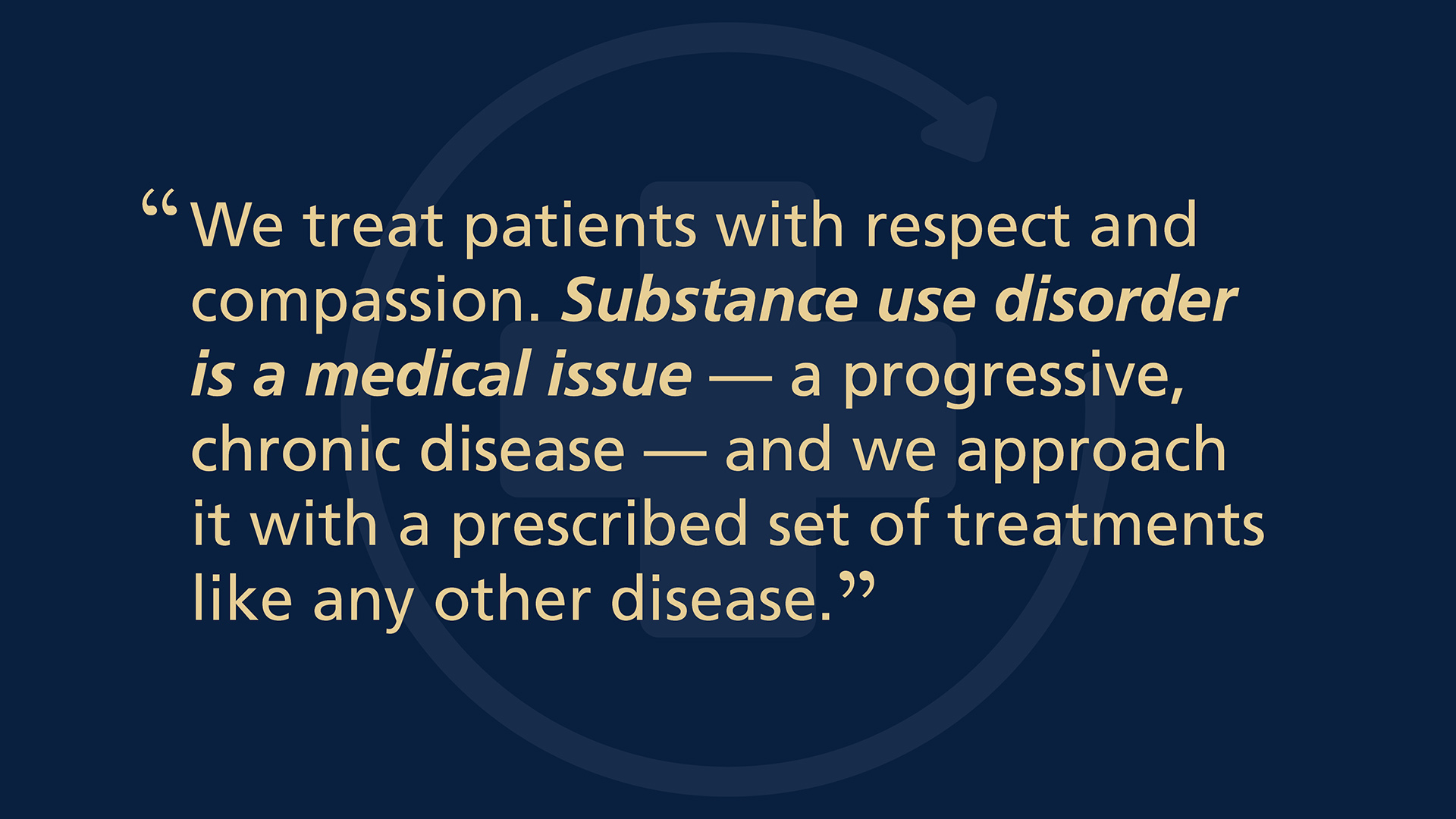
We treat patients with respect and compassion. Substance use disorder is a medical issue - a progressive, chronic disease - and we approach it with a prescribed set of treatments like any other disease.

If you would like to speak to someone about taking the first step to recovery, or to make an appointment, please call 717-782-6493 for more information.

Sources:
2023-Drug-Death-Report.pdf (dauphincounty.gov)

Supporting LGBTQ+ Youth: Fostering Mental Health and Well-being

The Pennsylvania Psychiatric Institute (PPI) is committed to fostering the mental health and well-being of LGBTQ+ youth, a particularly vulnerable population in Central Pennsylvania. We believe that creating a nurturing and accepting environment can significantly improve their mental health outcomes. Within this article, we share actionable advice for allies, parents, educators and mental health professionals to effectively support these youth and promote their resilience.

Strengthen Social Support Networks

Social support plays a pivotal role in LGBTQ+ youth’s well-being. Parents, family members, teachers, friends and classmates can provide emotional backing and resources to counter potential hardships.

What can you do?

  • Offer acceptance. A high level of acceptance from friends and family reduces suicide ideation and attempts among LGBTQ+ youth.
  • Encourage the building of relationships with both LGBTQ+ and non-LGBTQ+ allies to foster resilience and create a sense of community.

LGBTQ+ Role Models for Kids: Megan Rapinoe, Soccer Player; Mauree Turner, U.S. State Lawmaker; Nyle DiMarco, Model; Schuyler Bailar, Swimmer; Wednesday Holmes, Visual Artist; Lindsay Amer, YouTuber; X González, Activist; Admiral Rachel L. Levine, MD, Assistant Secretary for Health

Encourage Access to Role Models

Positive portrayals of LGBTQ+ individuals in media and real life can evoke hope and reduce feelings of isolation among LGBTQ+ youth.

What can you do?

  • Introduce the LGBTQ+ youth in your circle to role models they can relate to.
  • Connect with local support network in the Harrisburg, Lancaster, Lebanon and York areas.

Cultivate Supportive Environments

Schools, homes and communities that are inclusive and protective positively impact LGBTQ+ youth's mental well-being.

What can you do?

  • Encourage your local schools to endorse the formation of Gender and Sexuality Alliances (GSAs) and enforce comprehensive anti-bullying policies.
  • Request local businesses establish all-gender bathrooms.

Develop Coping Mechanisms

Promoting safe spaces where LGBTQ+ youth can explore positive coping skills such as seeking LGBTQ+ resources, practicing mindfulness and talking to supportive individuals is essential to their mental health and well-being.

What can you do?

  • If you are an educator, counselor or health professional, demonstrate that your office is a safe zone, encouraging LGBTQ+ youth to share their experiences without fear of judgment.

Keep Learning

Continual education about LGBTQ+ identities and challenges is fundamental to effective support.

What can you do?

Eliminate Shame

Acknowledge and affirm LGBTQ+ youth's experiences.

What can you do?

  • Start nonjudgmental discussions to encourage open dialogue.
  • Practice active listening.
  • Avoid dismissive statements. For example, “It’s just a phase” or “You’re too young to know.”
  • If you witness any behavior or language that is disrespectful or harmful towards LGBTQ+ people, address it immediately.

Affirm Their Individuality

Treat LGBTQ+ youth like any other child to reinforce their sense of normalcy and belonging.

What can you do?

  • Show interest in their passions and acknowledge their achievements to foster their confidence and self-worth.

Respect Their Coming Out Process

Navigating the complex journey of self-disclosure is a deeply personal process for LGBTQ+ youth. Support them during this transformative period by respecting their autonomy and preparing them for potential challenges.

What can you do?

  • Allow LGBTQ+ youth to determine their timeline and the people they wish to disclose their identities to.
  • Ensure they feel prepared to handle potentially challenging situations by helping them to strengthen their self-assurance.

Seek LGBTQ+ Affirming Health Care Providers

Identifying physical and mental health providers who affirm and support LGBTQ+ individuals can significantly improve their well-being.

What can you do?

With understanding, compassion and the right tools, we can all contribute to fostering a more inclusive and supportive environment for LGBTQ+ youth. Your support can make all the difference.

"In the journey towards mental wellness, remember you're not alone. Reaching out isn't a sign of defeat, but a victory over stigma. At PPI, we're your allies, steadfast in the belief that everyone deserves understanding and compassionate care."
- Ruth S. Moore, director of community engagement, diversity & inclusion

If you’d like to learn more about the PPI’s approach to LGBTQ+ mental health, please don’t hesitate to contact us by phone, 866-746-2496 or through our website. We’re committed to providing an inclusive, welcoming space where everyone can access the care and support they need.

Celebrating Juneteenth

Juneteenth June 19

On June 19, 1865, Union troops arrived in Galveston, Texas, with the news that the more than 250,000 enslaved Black people in the state were free. Juneteenth, also known as Freedom Day, is a federal holiday in the United States celebrated on June 19. Read more about the historical legacy of the holiday at the National Museum of African American History & Culture.

Mental Health and the Queer Workplace: Creating Inclusive and Supportive Environments

At the Pennsylvania Psychiatric Institute (PPI), we advocate for the creation of a mentally healthy work environment that supports all employees, including those who identify as LGBTQ+. By revising policies, initiating conversations and taking proactive action, Central Pennsylvania businesses can foster a more inclusive atmosphere.

“At PPI, we understand the intricate interplay between mental health and every facet of life, particularly in our work environments,” shared Ruth S. Moore, director of community engagement, diversity & inclusion. “Inclusivity and acceptance aren't just nice to have. They are essential. They fuel healthier mental landscapes, reduce stress and elevate engagement and dedication. As an organization, we stand firm on the belief that an environment that prioritizes mental health and celebrates diversity isn't just morally correct — it's a smart business strategy. Such an atmosphere encourages innovation, creativity and productivity, molding a workplace where every individual is empowered to thrive.”

Eight Ways to Create an Inclusive and Supportive Workplace for the LGBTQ+ Community

Vocalize Your Intentions Clearly
In the quest for LGBTQ+ inclusivity, the first step is to voice your commitment to nondiscrimination loud and clear. It is essential to incorporate this commitment into employee handbooks or official nondiscrimination statements, explicitly including sexual orientation and gender identity.
Establish an Inclusive Atmosphere
Developing an inclusive atmosphere begins with the formation of an LGBTQ+ group for employees. Moreover, the company can illustrate its support by participating in Pride events and advocating for LGBTQ+ causes. For example, PPI attends the annual Pride Festival of Central PA, actively highlighting our support for the queer community.
Demonstrate Leadership in Inclusivity
Leadership plays a pivotal role in fostering inclusivity. Clear communication from management about the importance of diversity and acceptance sets a transparent company stance and lays the groundwork for an open culture.
Integrate Diversity into Human Resources Policies
Building diversity into HR policies is a strategic way to foster acceptance. This involves reaching out to university LGBTQ+ groups during recruitment, enforcing structured interviews to remove biases, and holding interviewers accountable for their selection. Ensuring these inclusive values are reflected on the company's website and social media channels is equally important.
Create a Welcoming Candidate Experience
It's crucial to communicate inclusivity right from the recruitment stage. All job postings should explicitly state that all orientations and gender identities are welcome to apply. This clearly signals LGBTQ+ inclusion, encouraging potential candidates to apply.
Offer Internal Support
Offer resources and training to your employees for better LGBTQ+ inclusion. Help them understand the importance of respectful behavior and using preferred pronouns. This ensures that everyone can interact as they wish to be interacted with.
Show Your Pride
Show your pride not only during Pride Month but all year round. Whether flying the rainbow flag or launching social media campaigns, each effort communicates your commitment to equality.
Develop Ally Programs
Starting an ally program for LGBTQ+ employees lay a strong foundation for a more diverse and inclusive work environment.

The Value of an Inclusive and Supportive Workplace

Navigating today’s business world requires a keen understanding of diversity and inclusion. It's no longer enough to merely open doors to different groups. Today, the most successful companies actively court diversity, knowing that a wide array of experiences and perspectives can significantly enhance the work environment and the company's overall performance.

Enhanced Creativity and Problem-solving: A diverse workforce encompasses a broad array of experiences, skills, perspectives and insights. This diverse pool of knowledge and experiences sparks innovation, creativity and strategic thinking. Employee relationships are also strengthened when coworkers can connect based on their diverse backgrounds or shared experiences, which improves workplace collaboration.

Smarter Decision-making: Diversity enables a wider range of sources and experiences to draw from, leading to more informed decisions and better business outcomes. Diverse individuals are known to process facts more carefully, contributing to smarter, data-driven decisions.

Increased Profits and Productivity: Inclusive companies often attract ambitious professionals, resulting in a more motivated, efficient workforce, and increased productivity and profitability. A survey from Indeed, a global job site with over 250 million monthly unique visitors, found that 55% of job seekers deem it highly important to work at a company that prioritizes diversity and inclusion.

A multifaceted approach is essential to support LGBTQ+ mental health in the workplace. Incorporating these steps will not only foster a more productive, effective and loyal team but also enhance overall business performance.

Discrimination At Work

Are you a LGBTQ+ worker experiencing discrimination in the workplace? The Lancaster LGBTQ+ Coalition offers a guide to workers facing discrimination and the actionable steps they can take to respond.

Find the guide on their website.

Mental Health Resources for LGBTQ+ Individuals in Central PA

Pennsylvania Psychiatric Institute (PPI) is proud to advocate for accessible, inclusive mental health care for all. We understand that for the lesbian, gay, bisexual, transgender and queer (LGBTQ+) community, finding resources tailored to their unique experiences and needs can be a challenge. That's why we're dedicating this blog post to sharing a list of resources available in Central Pennsylvania for LGBTQ+ individuals seeking support.

Support Groups

LGBT Center of Central PA
The LGBT Center employs four full-time staff: an Executive Director, a Director of Training & Education, a Director of Youth Programs and a Youth Programs Coordinator. With this small but dedicated team, the Center serves over 2,000 people each year across Dauphin, Cumberland, York and Lancaster counties, and seeks to be responsive to the changing needs of our communities in our programming and our strategic priorities.

GLO
GLO is a community resource center for LGBTQ+ youth and young adults of color, centering the experiences and needs of LGBTQ+ men of color and trans women of color. They provide free and confidential STI/HIV testing on-site, virtual therapy, access to PrEP and a variety of other social services. GLO is committed to reducing the community’s HIV viral load by testing and linking individuals to HIV care and prevention.

Lancaster LGBTQ+ Coalition
The Lancaster LGBTQ+ Coalition is committed to building a supportive and enriching community abundant in opportunities for LGBTQ+ individuals and those with a stake in creating a more inclusive Lancaster County.

PFLAG York
Parents, Families and Friends of Lesbians and Gays, or PFLAG York promotes the health and well-being of all lesbians, gay, bisexual, transgender and other queer individuals and their parents, family and friends through support, education and advocacy. They provide the opportunity for dialogue about sexual orientation, gender identity and gender expression, and act to create a society that is healthy and respectful of human diversity. PFLAG York will not give up until society accepts all its members as equals, regardless of their sexual orientation, gender identity and gender expression.

Rainbow Rose Center
The Rainbow Rose Center fosters an environment of inclusion, equity and health where all LGBTQ+ community members thrive in York County. They envision an inclusive community where all York County individuals feel safe and welcome in their everyday lives.

TransCentralPA
TransCentralPA is committed to providing advocacy and caring support for transgender individuals, their significant others, families, friends and allies. TransCentralPA also provides gender education and information to businesses, organizations, educational institutions and governmental agencies. Their monthly gatherings provide a safe and nurturing place for members and guests to meet together to better understand, accept and take pride and joy in their transgender lives.

Mental Health Resources for LGBTQ+ Individuals

Mental Health Assistance

Call BlackLine
Call BlackLine provides a space for peer support, counseling, reporting of mistreatment, witnessing and affirming the lived experiences for folx who are most impacted by systematic oppression with an LGBTQ+ Black Femme Lens. Call BlackLine prioritizes BIPOC (Black, Indigenous and People of Color).

  • 800-604-5841

LGBT National Help Center
All of LGBT National Help Center’s support volunteers identify as part of the LGBTQ+ family, and are here to serve the entire community, by providing free and confidential peer support, information and local resources through national hotlines and online programs.

  • LGBT National Hotline: 888-843-4564
  • LGBT National Youth Talkline: 800-246-7743
  • LGBT National Senior Hotline: 888-234-7243

SAGE LGBTQ+ Elder Hotline
Talk and be heard at the SAGE LGBTQ+ Elder Hotline. They connect LGBTQ+ older people who want to talk with friendly responders ready to listen. The Hotline is available 24 hours a day, 7 days a week, in English and Spanish, with translation in 180 languages.

  • 877-360-5428

The Trevor Project
The Trevor Project’s mission is to end suicide among LGBTQ+ young people. Their counselors will listen without judgment. All of your conversations are confidential, and you can share as much or as little as you’d like.

  • 866-488-7386
  • Text ‘Start’ to 678-678

Trans Lifeline
Trans Lifeline is a trans-led organization that connects trans people to the community, support and resources they need to survive and thrive.

  • 877-565-8860

"In the journey towards mental wellness, remember you're not alone. Reaching out isn't a sign of defeat, but a victory over stigma. At PPI, we're your allies, steadfast in the belief that everyone deserves understanding and compassionate care."
- Ruth S. Moore, director of community engagement, diversity & inclusion

If you'd like to learn more about the Pennsylvania Psychiatric Institute's approach to LGBTQ+ mental health, please don't hesitate to contact us by phone, 866-746-2496 or through our website. We're committed to providing an inclusive, welcoming space where everyone can access the care and support they need.

Embracing Transgender Mental Health

As Pride Month unfolds, a time dedicated to celebrating victories and acknowledging the struggles of the lesbian, gay, bisexual, transgender and queer (LGBTQ+) community, we must shine a spotlight on an issue often not spoken about enough — transgender mental health. At the Pennsylvania Psychiatric Institute (PPI), our commitment to deepening the understanding of the unique mental health challenges faced by the transgender community is unwavering. We are equally devoted to promoting strategies for resilience and personal growth.

Transgender individuals, those who identify as a gender different from their assigned sex at birth, confront unique societal, personal and systemic challenges that can significantly impact their mental health. Pervasive realities of discrimination, stigma and systemic bias can give rise to mental health issues, such as anxiety, depression and distress. Alarmingly, suicide rates among transgender individuals are higher than the general population.

Research underscores the magnitude of these challenges. For instance, a sobering study conducted by the University of Pittsburgh in 2020 revealed that approximately 85% of transgender adolescents had seriously considered suicide, and over half had made at least one suicide attempt. This underscores the urgent need to address mental health issues within this vulnerable population.

Recognizing these challenges is the first step toward creating a more inclusive and supportive environment. At PPI, we believe there are three key areas that need our attention:

Lack of Acceptance
Stigma and discrimination are among the most significant obstacles to mental health for transgender individuals. These can appear in various forms, from microaggressions and harassment to explicit violence and rejection by loved ones. The persistent battle against stigma can often lead to chronic stress, exacerbating feelings of anxiety and depression.

Healthcare Inequality
Global healthcare systems often fail to meet the specific needs of transgender individuals due to a lack of training and awareness among healthcare professionals and discriminatory practices and policies. This frequently results in subpar care, delayed or inaccessible treatments and a deep mistrust in healthcare providers.

In Pennsylvania, Penn State Health offers services that help to meet the specific healthcare needs of the transgender community.

Internalized Negative Beliefs
Internalized transphobia and transmisia can stem from absorbing negative societal beliefs and attitudes about being transgender. This can lead to diminished self-esteem, self-worth and a negative impact on overall mental health.

Dealing with mental health is a complex process for everyone, and for the transgender community, it becomes even more difficult due to specific stressors like gender dysphoria. This necessitates unique coping strategies. Below are a handful of tactics that can help alleviate these challenges and promote mental well-being:

Clothing and Personal Style
Transgender individuals may find relief from gender dysphoria by dressing in the clothing of their preferred gender. This can include 'under-dressing' or making subtle changes to personal style, such as adopting a new hairstyle, using skincare products or applying subtle makeup. These measures can serve as a reminder of their identity and alleviate feelings of distress. It's also worth noting that engaging in these activities gradually can help prepare for an eventual social transition.

Digital Presence
Engaging online as one's preferred gender can be a helpful way to express oneself and interact with others in a safe and understanding environment. This can include participation in online forums, social media platforms and support groups.

Hormone Replacement Therapy (HRT)
For some, the use of gender-affirming hormone therapy can be an effective way to align physical characteristics with their chosen gender identity. This can help reduce the dysphoria experienced by individuals whose physical appearance doesn't align with their gender identity. It is critical, however, to undertake this step under the guidance of healthcare professionals who can monitor the process and provide necessary support and advice.
What is transmisia?
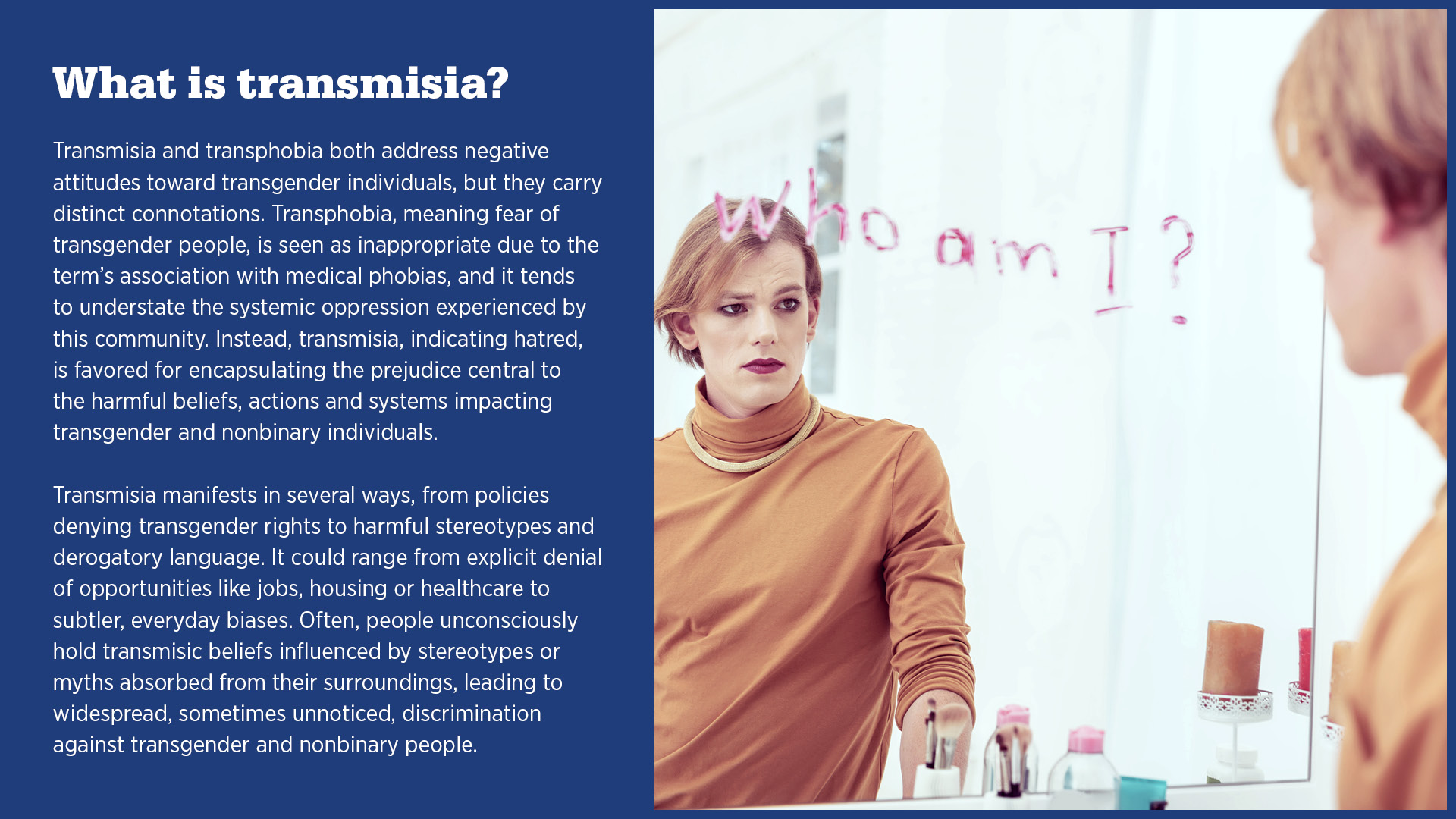
Transmisia and transphobia both address negative attitudes toward transgender individuals, but they carry distinct connotations. Transphobia, meaning fear of transgender people, is seen as inappropriate due to the term's association with medical phobias, and it tends to understate the systemic oppression experienced by this community. Instead, transmisia, indicating hatred, is favored for encapsulating the prejudice central to the harmful beliefs, actions, and systems impacting transgender and nonbinary individuals.
Transmisia manifests in several ways, from policies denying transgender rights to harmful stereotypes and derogatory language. It could range from explicit denial of opportunities like jobs, housing, or healthcare to subtler, everyday biases. Often, people unconsciously hold transmisic beliefs influenced by stereotypes or myths absorbed from their surroundings, leading to widespread, sometimes unnoticed, discrimination against transgender and nonbinary people.

At PPI we promote the following strategies to create a meaningful difference:

Increasing Accessibility to Culturally Competent Healthcare
The need for healthcare services that are informed, sensitive and responsive to the unique experiences of transgender individuals cannot be overstated. This involves educating healthcare professionals about transgender health issues, creating safe and non-discriminatory healthcare environments and adopting practices that affirm and respect patients' gender identities.

Community Support
Having a robust, supportive community can have a profound role in promoting mental health. Peer support groups, online communities and organizations dedicated to LGBTQ+ issues can offer a safe space for transgender individuals to share their experiences, feel validated and gain encouragement.

Mental Health Services
Mental health services can help transgender individuals understand their feelings and thoughts and learn effective coping strategies. Access to mental health services tailored to their specific needs can also play a key role in addressing mental health concerns.

Advocacy and Allyship
Support from allies, who might not identify as LGBTQ+ but stand in solidarity with the community, is critical. Allies can play a significant role in challenging stigmatizing attitudes, advocating for rights and inclusivity and providing emotional support to transgender individuals.

As we celebrate Pride Month, let's also reflect on the unique mental health challenges faced by transgender individuals. Together, our collective efforts can create a world where every transgender person feels accepted, supported and free to express their identity. At PPI, we're dedicated to this cause. Together, we can construct a safer, more inclusive world for all.