BIPOC Mental Health – Insights from Dr. Swigart

Beb Moore Campbell was an advocate who worked diligently to shed light on the mental health needs of the Black and other underrepresented communities. Because of her work, Congress formally recognized July as Bebe Moore Campbell National Minority Mental Health Awareness Month to bring awareness to the unique struggles that underrepresented groups face regarding mental illness in the US. Today, BIPOC (Black, Indigenous and people of color) is a term used to refer to nonwhite members of society. By including “BI” Black and Indigenous with “POC” people of color, we can honor the unique experiences of Black and Indigenous individuals and their communities.
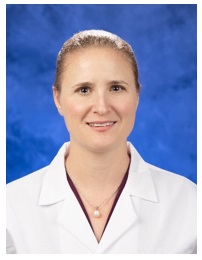
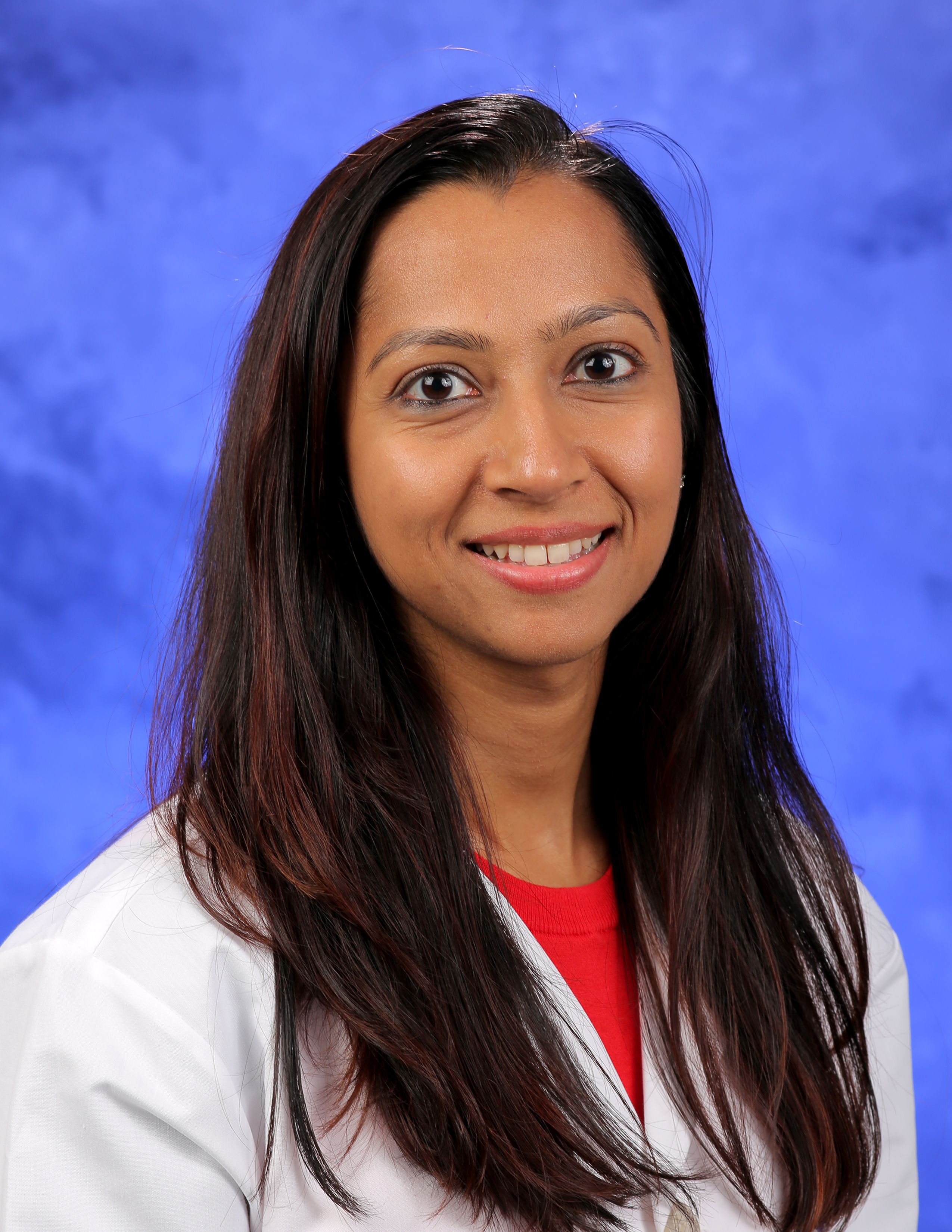
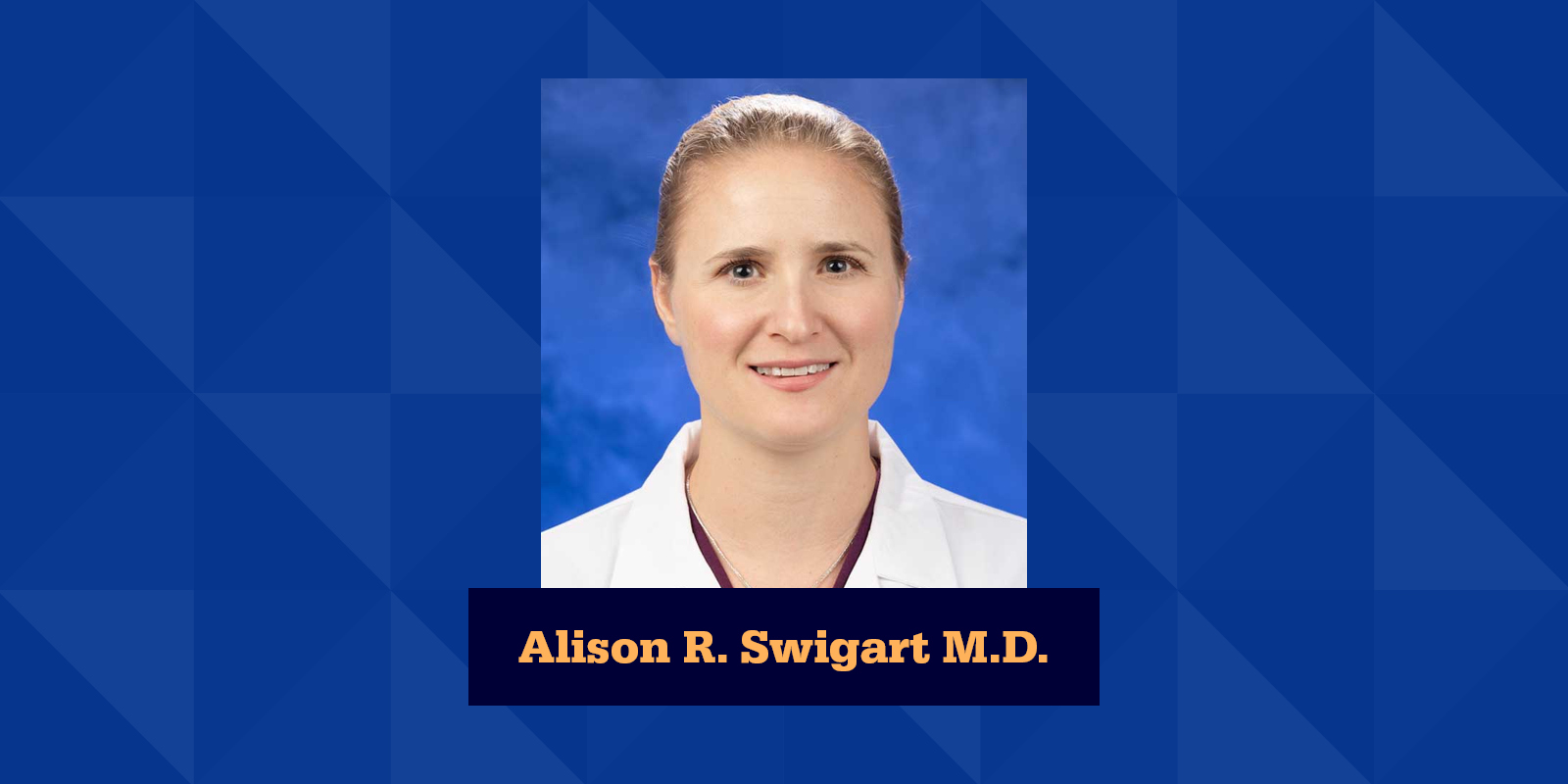
Alison R. Swigart, MD

Alison Swigart, MD, Attending Psychiatrist, Pennsylvania Psychiatric Institute (PPI) has been at PPI for almost 5 years. She works full time in outpatient clinics where she is the psychiatrist for PPI’s CAPSTONE First-Episode Psychosis program and treats individuals with schizophrenia across the lifespan.

She is also an Assistant Professor of Psychiatry And Behavioral Health and the director of the Penn State Community Psychiatry Resident Track for Penn State College of Medicine.

A focus on BIPOC mental health

What drew her to an interest in psychiatry in general, also drew her towards an interest in BIPOC mental health:

“I find it important to get to know individual stories. Everyone's pathway to where they are in front of you, their journey with mental illness is unique. It can be very rich to understand from an individual level how people get to the point where they're working with you. I think my experience working in psychiatry has given me a good appreciation for how unique backgrounds and life experiences shape risk for mental illness and its development. It also shapes factors that give people strength and resilience.” Explains Dr. Swigart.
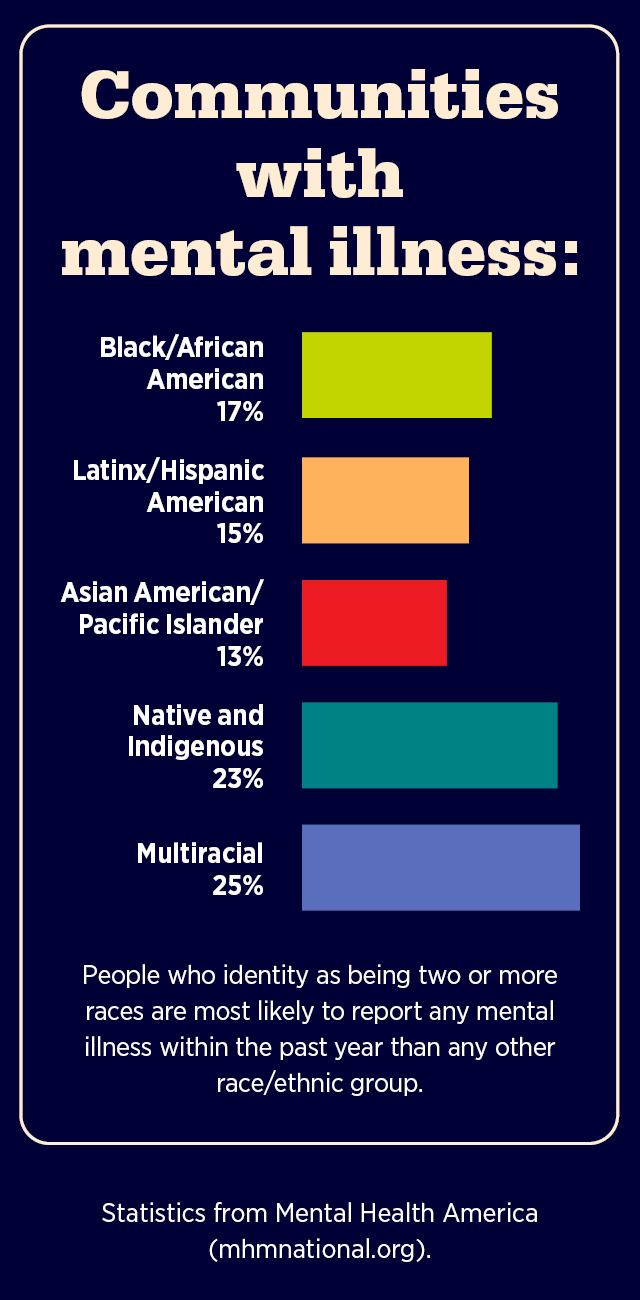
People who identify as being two or more races are most likely to report any mental illness within the past year than any other race/ethnic group.

“I work with a population that has a high percentage of BIPOC individuals. When I work with people one on one and get to know them well, I really get to see their value as an individual unique person. I think contrasting that with the prejudice or discrimination or bias that they might experience because of their appearance or the color of their skin in other settings, is what made me very interested and aware of how those factors influence them” describes Dr. Swigart on her interest in BIPOC mental health.

The BIPOC racial groups typically seen at PPI reflect the community’s local population: African Americans and refugees from Bhutan and Nepal.

“One of the things that's interesting is that people, based on their backgrounds, cultures or maybe their spiritual beliefs, all have different ways of conceptualizing what is causing symptoms of mental illness. There are many times that I will work with people or with families who may have a much different explanation about what's causing certain symptoms that are bringing them in for treatment. For example, a spiritual explanation would be spirits possessing them.”

“A lot of times people are looking for explanations for what is causing a change in behavior or thinking in themselves or loved ones, and their cultural or ethnic background will influence how they explain, conceptualize or understand it. And so, it's really important to have the individual or the family explain to you what their conceptualization of it is so that you can try to find areas of common ground in your understanding and be able to partner and work together on finding a solution.”

There is data that shows that BIPOC have more difficulties accessing and getting quality care. “BIPOC youth with mental illness or behavioral health problems have been shown to be much more likely to be funneled into the criminal justice system or the juvenile detention system rather than the mental health treatment system. There are demonstrated inequities in terms of how people of color are viewed when they have mental health problems and what kind of interventions they are given.”

Social determinants of health and risk for mental health

Social determinants of health - the conditions in which we are born, grow, live, work and age – influence and shape the development of physical and mental illness. These include factors such as your family, physical environment, neighborhoods, education access, experiences of poverty, experiences of discrimination and opportunity for socioeconomic advancement.

“Unfortunately, because of the historical preference and prejudice towards white people in the United States, many Black, Indigenous and people of color have been put into the position where they face more difficulty with these social determinants of health. That has a downstream effect on both the development of physical health conditions and on mental health conditions.”

Further explaining, Dr. Swigart continues, “For example, when I went through medical school, I was taught that African Americans were more likely to have hypertension or high blood pressure, which has since been debunked as not being a genetic difference or a biological difference. Rather, it is caused by higher chronic levels of stress due to experiences of racial prejudice and discrimination that creates long-term higher levels of stress hormones in the body and thereby elevates blood pressure more often. What's really interesting is that there are these social influences, these environmental factors that actually work to change our biology. They act on our genes in order to increase or decrease the likelihood of developing certain illnesses, both physical and mental.”

“A lot of these adverse social determinants of health, which can be more common in BIPOC communities, create the conditions for a higher likelihood to develop mental health conditions because of those higher long-term experiences of stress. There's evidence that race and the experience of race-based discrimination can predict a higher likelihood of development of depression or other mood disorders. It can also predict a higher likelihood of development of PTSD. So, how we how we treat each other as members of society and how we assign different values to different groups based on appearance has a pretty substantial impact on those groups’ health outcomes long term.”

History of misdiagnosis

“In terms of the work I do in psychosis, there are racial disparities in how the diagnosis of psychosis or schizophrenia has been assigned historically. There have been numerous studies that have suggested that Black Americans are two to three more times likely than white Americans to be diagnosed with schizophrenia, and that's controlling for a lot of other factors which might contribute. There have also been studies that have shown that clinicians are more likely to diagnose schizophrenia rather than a mood disorder or a post-traumatic stress disorder in individuals who are African American compared to their white counterparts.”

“There's been this tendency historically – probably because of biases that clinicians aren't always aware of – to over-diagnose or mislabel schizophrenia in Black Americans. Some of this seems to date back to the civil rights era in the 1960s. When you look at the label of schizophrenia, if you look in the early 1900s up to about the 1950s, in state hospitals, schizophrenia was a diagnostic label primarily 1960s given to white women. In the 1960s [during the Civil Rights Movement in the U.S.], it's been documented that there was a significant shift in the language used to define schizophrenia as being a condition of more violence, anger or aggression. And state hospitals saw a shift in terms of the label of schizophrenia being applied to Black males more commonly than white women. And so historically, there was this shift towards schizophrenia being a label more commonly placed on Black men during that time of civil unrest, while they were fighting for their civil rights in this country.”

Bringing it back to today, Dr. Swigart reveals why this is important for mental health professionals. “We as mental health professionals have to be humble, curious and respectful while trying to understand from the perspectives of the individuals that we treat so that we don't mislabel something as mental illness when it might just be a cultural or ethnic difference. It's really important for us to be mindful of our own biases, our own cultural background and how that informs the way that we perceive other people.”

Racial impact on schizophrenia spectrum disorders

Evidence points to Black Americans being less likely to receive effective treatments for schizophrenia, potentially due to their social determinants of health, access issues, sense of mistrust in the healthcare system or the lack of healthcare professionals of color.

“Discrimination or racism in and of itself is a risk factor for developing psychosis. Traumatic experiences are also a risk factor for developing psychosis. So, if you're a person of color who is treated differently, who maybe suffered police brutality, whose family has been forced to stay in a neighborhood where they haven't been able to escape poverty, you're more likely to experience traumatic events and then you may be more likely to develop psychosis later on” notes Dr. Swigart.

“For the refugee population, there are a lot of studies that show that rates of psychosis and schizophrenia are actually higher in people who emigrate to other countries. Probably because of being thrust into a higher stress environment, being thrust into a status of feeling minoritized or marginalized in some way or feeling disconnected from other people around you.”

“When you think about a refugee population, you have to consider traumatic experiences that people have been through. There are just so many factors that make things more stressful, more difficult, more challenging to navigate in a new country, like the language barrier and cultural differences. Often, large geographical or environmental changes in the type of setting they're living in can all confer a really high level of stress and make people more susceptible to developing mental health conditions. Any experience of trauma is a risk factor for the development of any future mental health condition, not just PTSD, but depression, anxiety, bipolar disorder.”
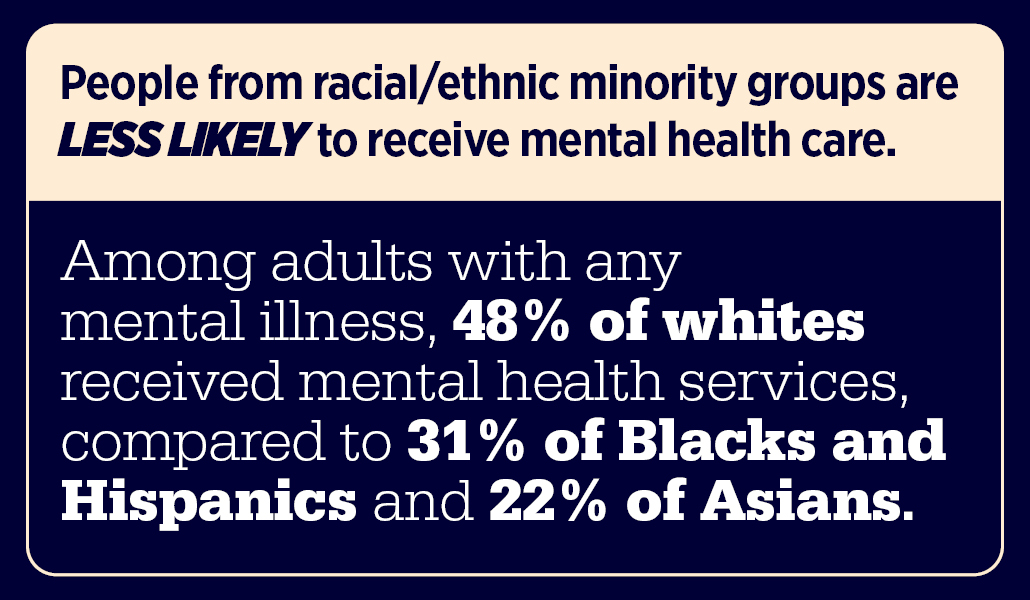
People from racial/ethnic minority groups are less likely to receive mental health care. Among adults with any mental illness, 48% of whites received mental health services, compared to 31% of Blacks and Hispanics and 22% of Asians.

Stress can manifest physically

Stress can even manifest in physical symptoms. “What I've noticed and talking with some other clinicians who treat refugees from New Nepal and Bhutan, there is a greater likelihood of expressing mental distress in the form of physical symptoms. People may come to me as a psychiatrist expressing stomach pain, headaches, body aches or weakness and they've been worked up by their primary care doctors and there's been no medical explanation for it.”

“There's a book about the effects of trauma that's called The Body Keeps the Score which talks about how trauma and social environmental factors can change your genes. Trauma can change the expression of our genes; it can change the way our organs function and in some ways it can change our ability to tolerate physical and mental distress. It has a profound impact.”

A better approach

Cultural humility is the concept of approaching another person with curiosity and attempting to understand from their perspective while trying to not make assumptions based on their appearance or ethnic group.

“We need to be careful not to make assumptions about a person’s beliefs or practices based on how they look or what sort of ethnic group they’re from. Because there's still a lot of variability within an ethnic, cultural or religious group.”

“I have seen and read statistics about Black Americans being often more mistrustful of traditional healthcare systems, and that is rooted in real history of being mistreated by medical professionals. They were mischaracterized, misdiagnosed or having studies done on them without their consent – these are real reasons that Black families might not readily trust and seek out care within the traditional health care system.”

“There are other studies that show that they [Black Americans] may be more likely to seek out solutions from a faith community or from a religious leader, and there's even some initiatives that I've seen presented where mental health professionals are trying to partner with churches or religious leaders in order to collaborate where people can get both the religious and spiritual support they seek, but also the treatment that they might need.”

PPI helps to destigmatize

To help destigmatize BIPC mental health, PPI has an EDI (equity, diversity and inclusion) initiative – a group that gathers regularly to look at policies and procedures, making them more inclusive and helping to identify any training that would be helpful to staff and employees.

“PPI is striving to increase and value diversity among the workforce. They recognize that it makes us stronger both in terms of the care that we can provide for patients and in terms of the support that we can give each other if we have an ethnically and culturally diverse workforce. We also recognize that some people prefer to meet with providers who can speak their native language, who reflect their racial background or have some awareness of their cultural group. There's a real effort to try to as much as we can recruit providers from diverse backgrounds so that we can reflect the patient population that we serve.”

“Traditionally there are hierarchies and power imbalances within healthcare, but PPI promotes an attitude of respect and valuing the input of all types of employees within PPI. Someone who works as a housekeeper may have a very valuable perspective or input on a patient or can offer a perspective that really is eye opening for the team. Being open and carefully listening to patients’ perspectives and opinions helps us better understand what they're going through and helps figure out how to find common ground and partner and work towards a shared goal.”

PPI also has specialty clinics, including the Hispanic Clinic , which has Spanish-speaking psychiatry and therapy services, so patients can receive care in their native language.


Dr. Swigart comes to us from the Butler Hospital, Providence, RI. She completed her residency in general psychiatry and served s a chief resident in the Warren Alpert Medical School of Brown University, Providence, RI and received her medical degree from the University of Rochester School of Medicine and Dentistry, Rochester, NY.

PPI is available to help. Peruse our website or call 866-746-2496, available 24 hours a day, seven days a week, to schedule an appointment.
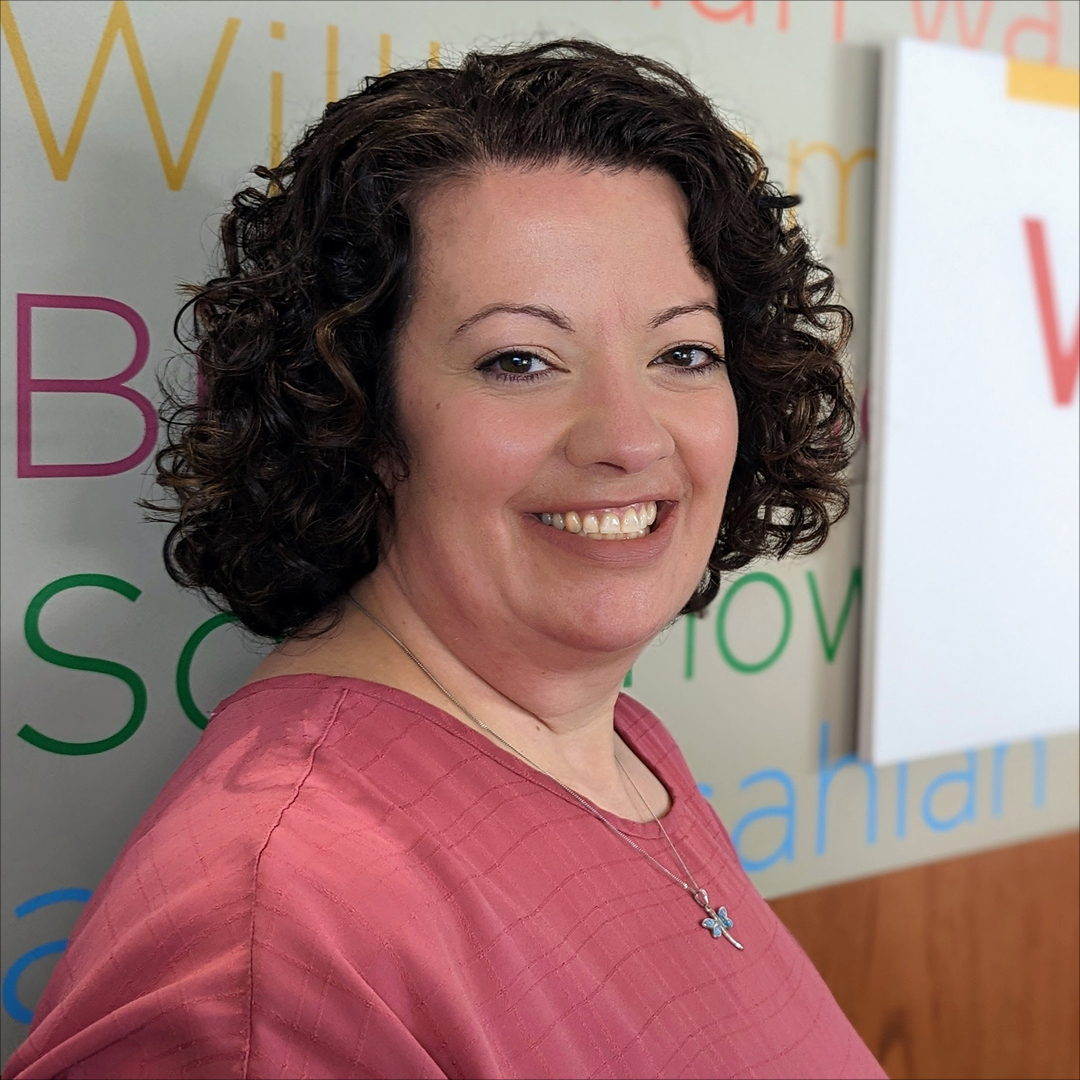
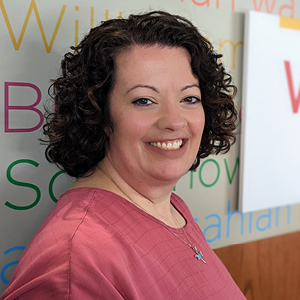
Celebrating National Nurses Week: A Glimpse into the World of Psychiatric Nursing

National Nurses Week, held from May 6 to 12, is a time to recognize and appreciate the incredible work and dedication of nurses across the country. This year, we're shining a light on psychiatric nursing, a vital field in healthcare that often faces unique challenges.

In an interview with Tiffany Downs, MSN RN, director of nursing at the Pennsylvania Psychiatric Institute (PPI), we learned about the impact she and her team have on their patients' lives.

How does PPI impact the community?

Tiffany Downs, MSN RN

One of the most rewarding aspects of working at PPI for Downs and her team is the opportunity to make a difference in the lives of their patients. "We approach each individual with compassion and grace,” said Downs, “regardless of their background or circumstances, with the goal of providing them with the tools needed for a better path forward."

PPI's approach to patient care focuses on trauma-informed and individualized care. The patient care team collaborates closely and includes the patient in their treatment plans. The organization is constantly looking to improve access to care and expand the services they offer, such as specialty clinics and ECT treatment.

Downs is proud of her team's ability to adapt and find solutions that work for the patient and the staff. Recently, her team demonstrated these important traits when a particularly challenging patient prompted the charge nurse and therapist to collaborate and revamp the patient-focused communication plan. They devised a color-coded chart that outlined boundaries and protocols for the patient, improving the process and ensuring better care for the individual. This example and many others like it showcase the initiative, dedication and commitment to providing exceptional care that nurses at PPI bring to the job every day.

When discussing the patient care team at PPI, Downs said, "I am proud of my team's ability to adapt and find solutions that work for both the patient and the staff."

How does PPI support the patient care team?

In addition to developing new processes for patient care, PPI has also focused on professional development for its staff. Under Downs’ direction, they have recently revamped their preceptor program, which involves training and mentoring new staff members. The program was developed in conjunction with experienced staff members who wanted to ensure a consistent and effective onboarding process for new hires. This program has become a source of pride for the staff and has proven to be a valuable retention tool.

As a leader, Downs prioritizes the well-being of her staff, ensuring they have the necessary tools, resources, and support to provide exceptional care to their patients. By engaging her team in decision-making processes, she fosters a culture of collaboration, trust and open communication.

"It's important for nurses to stay updated with evidence-based practices, continuing education and adapting to new developments in healthcare," said Downs in relation to the ongoing training efforts offered to the staff. These programs are offered alongside initiatives to ensure the safety and well-being of the PPI team by providing them with tools and measures to mitigate fatigue, lessen burnout and avoid over-scheduling.

Lastly, Downs actively encourages an open-door policy with leadership at PPI. This approach ensures the nursing team consistently delivers high-quality care. “By actively listening to concerns and resolving them before they become problems,” said Downs, “PPI is able to maintain a proactive approach to addressing issues.”

What is the Future of PPI?

"My vision for the future is for PPI to be known as the best place to receive behavioral health care,” said Downs, “A positive and supportive environment where staff can explore creative and unique approaches to care."

The dedication of the nursing staff to the behavioral health specialty and the unique patient population sets PPI apart. The nurses are highly compassionate and creative when managing the needs of their patients. They also take good care of each other, which contributes to their ability to provide the best possible care for their patients.

As we celebrate National Nurses Week, let's recognize the invaluable work of psychiatric nurses like Tiffany Downs and her team, who provide compassionate care to those facing mental health challenges. Their unwavering commitment to improving the lives of their patients truly makes a difference in our healthcare community. Through innovative approaches, professional development and a focus on collaboration, the staff at PPI exemplifies the best of what the nursing profession has to offer.

Are you interested in working with the patient care team at PPI? Visit ppimhs.org/careers to learn more about the opportunities available.

Caring for Someone with a Mental Health Condition

Bettering one’s mental health is not a solo journey. Apart from the providers and care team involved, the unsung heroes are the family and friends who are there to support and take care of that person outside of a clinical setting. With over 44 million Americans with mental health conditions, it’s easy to see how much of the population can also be affected by helping to care for their loved ones.

Dr. Hiren Patel
Dr. Hiren Patel

“Most people caring for those with a mental health condition don’t identify as caregivers; it’s something they just do. As many as one in three adults provide care as informal caregivers” explains Hiren Patel, MD. “Caregiving affects someone psychologically and emotionally, not to mention is a burden financially. It’s challenging, stressful and can lead to burnout.”

Hiren Patel, MD, now the Assistant Professor of Psychiatry and Behavioral Health on November 1, 2021, started at Pennsylvania Psychiatric Institute (PPI) as a Fellow in our Child and Adolescent Psychiatry program. He is board certified in Child and Adolescent Psychiatry with his primary responsibility being providing outpatient psychological care for children as young as three and transitional-aged adults up to 24.

Caregiving differs when dealing with children than with adults. “There are more resources for children who have a diagnosis or disability. There are home health, family services and care options for children. Unfortunately, there are fewer resources for adults. Once children turn 18 or 19, many services disappear, and parents don’t know what to do. So, patients can end up with a 360-degree change in their care. There are very limited community options like respite care – which can be expensive and not feasible for some families. FMLA as an option is temporary (12 weeks), but unfortunately, chronic illness takes longer to treat.”

From seeing a wide range of mental health issues in his patients, he has also seen what that means for those taking care of his patients outside of his appointments.

Dr. Patel notes what the effects of caregiving can feel like: “It is natural for someone providing care to feel angry, alone, sad or stressed. They can even experience vulnerable changes in their own health. Too much stress over long periods of time affects one’s health, like with heart problems, diabetes and substance abuse.”

Signs of stress:

  • Easily feeling overwhelmed
  • Constantly worrying
  • Sleeping too much or too little
  • Weight fluctuation
  • Becoming easily irritated
  • Losing interest in activities that were previously enjoyed
  • Body aches, headaches
  • Substance use
    • Like alcohol, tobacco and pain medication
    • Frequently using substances like these can increase/exacerbate overall issues


Some are more at risk from struggling with caregiving than others. Dr. Patel describes, “Factors that increase risk are:

  1. Living with the person you care for. This can cause you to compromise your life and health. Your physical, financial and social health tends to suffer when living with them, especially if it is 24/7.
  2. Lower levels of education.
  3. Lack of coping skills and lack of choice in caregiving.
  4. Being female. Females may display more stress and burnout and have a higher level of depression than male caregivers.”


“In a national survey, one in five caregivers struggles with anxiety and depression when caregiving. Caregivers also suffer from high levels of frustration. They can feel like they’ve lost their self-identity, have less self-acceptance, feel less in control of their own life, or feel like they lack progress. One in five report exhaustion. Caregivers need to regularly receive help themselves as chronic stress causes health issues like cognitive decline,” reports Dr. Patel.

What can help?

Caregiving is emotional, physical and can strain even the most resilient person. Families who struggle put their own health in danger. Dr. Patel outlines a few tips to help:

  1. Accept help, from anyone who is willing to help, no matter how small the task.
  2. Focus on what you can provide. You are not superman. It’s not sustainable to do everything. Make the best decisions you can. No one is perfect.
  3. Make realistic goals. Learn how to say no to requests that drain you.
  4. Get connected. Join support groups and find community resources that can help with transport, mail and even housekeeping!
  5. Make time for yourself. Aim to plan at least one hour of social interaction per week.
  6. Create health goals. One in ten caregivers reports that their health suffers from caregiving. Make sure to drink water, eat healthy food and exercise if possible.


Passionate about helping his patients and their families, Dr. Patel speaks on what he wishes to see happen: “This is becoming a public health issue. We need to be available for caregiver education, respite care, primary care intervention and financial support to alleviate the stress on caregiving families. Improving recognition and treatment of symptoms of caregivers should be a public health priority.”


PPI can help find referral programs for nursing homes, adult care centers and respite care.

To learn more about the child and adolescent psychiatric programs at PPI, click here, or call the Admissions Department at: 717-782-6493 or 866-746-2496.

Psychiatric Care for Mature Adults with Dr. Graziane

Dr. Julie Graziane

Psychiatric Care for Mature Adults with Dr. Graziane

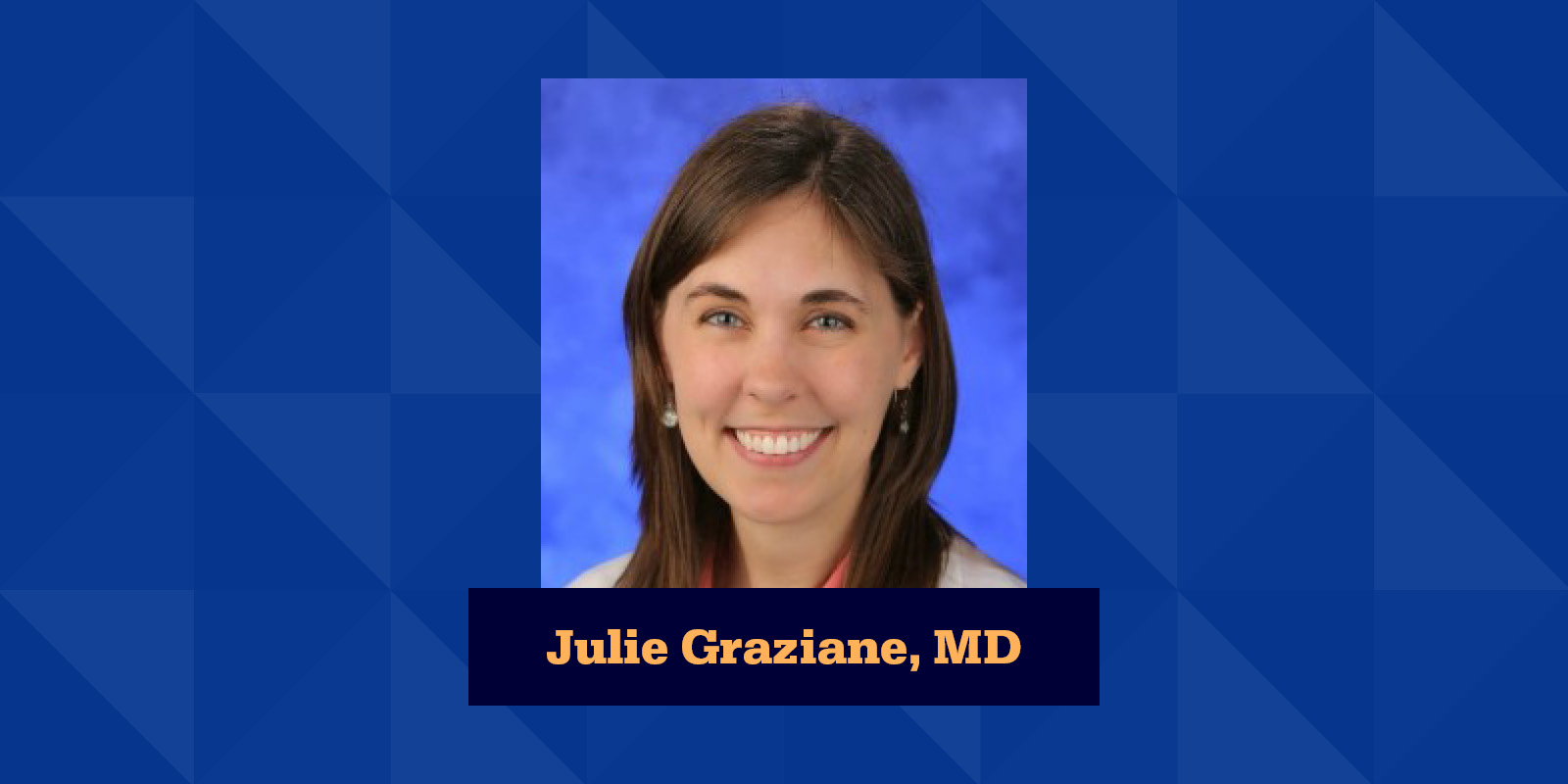
For the past five years, Julie Graziane, MD, has been an inpatient psychiatrist at Pennsylvania Psychiatric Institute (PPI). Among other responsibilities, Dr. Graziane co-oversees the mature 55+ unit, putting her passion and fellowship in geriatric psychiatry to use.

“I co-oversee the geriatric inpatient unit with another physician, where we see seniors with a variety of illnesses like depression, psychotic disorders, anxiety and mild cognitive impairment complicating their psychiatric presentations. We have a great team of strong social service workers and nursing staff who not only help us to take care of our patients, but also really care about them too.”

Mature adults can have unique issues when it comes to mental illness. Advanced age not only increases the possibility of developing behavioral disorders like Dementia, but physical health issues and memory loss can dramatically affect a mature adult’s mental health. Conditions like anxiety disorder and depression, which are very common in the mature adults, are often overlooked because they are masked by other physical symptoms.

“Patients come in during significantly distressing times in their lives, and I am continually amazed at how the team comes together to treat them and get them back out into the community in a better state of mind. On average, patients stay two weeks for care. We treat the person as a whole, taking into account what situation they will be going back to, and doing what we can to minimize the risk of re-hospitalization. We like getting the families involved as well to help support them.”

Reflecting on the work her team accomplishes at PPI, Dr. Graziane notes: “It’s rewarding working with individuals who are struggling and then be able to see a team come together to help them.”

When asked about how COVID impacted her unit, Dr. Graziane explains, “Personally, it felt a little bit like nothing had changed, when really everything had changed. My day to day didn’t change as I still saw patients in person, but the community resources patients rely on were much more limited. Because patients could not be checked on by community support, we saw more severe stages of illness when individuals were admitted. At-risk individuals with severe mental conditions are at higher risk of having a co-morbidity or getting covid, though we were fortunately able to offer vaccinations to admitted patients at any point during their stay.”

There are three mature adult programs at PPI:

  1. The Mature Adult Outpatient Psychiatric Program is a short-term treatment option. It is a less restrictive level of care than our Inpatient Program requiring that patients come to the psychiatric clinic or facility only during treatment hours. This allows for easier maintenance of their normal life and commitments. Patients who have completed an inpatient psychiatric program often continue treatment in an outpatient psychiatric program. This program provides therapeutic and diagnostic treatment planning specific to the needs of the individual, including psychiatric evaluations, medication management, individual, group and family therapies.
  2. The Mature Adult Inpatient Psychiatric Program is designed for adults aged 55 and older who require inpatient psychiatric care due to a mental illness that has significantly disrupted their daily activities. This program also cares for individuals who require assistance with walking or daily activities and those with uncomplicated co-morbid medical issues.
  3. The Mature Adult Psychiatric Assessment Program provides comprehensive evaluations by a psychiatrist to assess for Dementia and Alzheimer’s disease. Follow up appointments for medication management are provided, as well as support and education for the family.


Apart from the geriatric unit, Dr. Graziane is involved with the education endeavors at PPI. “PPI being a main training site for Penn State, reflects their commitment to education” notes Dr. Graziane, who teaches medical students, adult psychiatry residents, and fellows in geriatric medicine.. “As a training institution, all faculty are motivated to engage learners. I spend most of my time with those in the adult residency program, help to coordinate medical student placements and serve as the Assistant Director of Education at PPI.”

“In my 5 years, PPI has really embraced their identity as a community psychiatric center. We do a fair amount of community outreach; we offer a community psychiatry track now through Penn State’s psychiatry residency program and PPI realizes the important role community psychiatrists play in the psychiatric community as a whole. We are also taking a broader lens when looking at patients now, taking into account social determinants of health. Sometimes they are just as important as the illness when thinking about recovery” notes Dr. Graziane.

Dr. Graziane is also passionate about civic engagement. Read more about her personal goal to increase civic health.


To learn more about the mature adult psychiatric programs at PPI, click here, or call our Admissions Department at: 717-782-6493 or 866-746-2496.

Holiday Blues

The holidays can be a time for merriment and joyous occasions, but for some it can bring stress, sadness and even depression. Pennsylvania Psychiatric Institute’s (PPI) Licensed Counselor and Unit Therapist, Nikki Fogle, educates us on the “Holiday Blues” and provides advice on how to work through it.
“The holiday blues consist of feelings of depression, sadness, loneliness or can be noticed as more anxiety or fatigue that are exacerbated during, or appear relative to, the holidays. These feelings are more temporary and connected to the holiday season” explains Fogle, LPC.

Getting further into the signs of holiday blues, Fogle describes that there are both mood and physical symptoms:

“When it comes to mood, typically there’s feeling of angst, being personally frustrated, noticing more stress or anxiety, feeling often tired or edgy and not knowing why, feeling more depressed and unmotivated or noticing an increase in sadness. Physically, we see changes in behavior patterns like an increase in headaches, more isolation, not answering the phone, over or under eating and drinking or smoking more.”

Usually, the reason for the holiday blues can be tied to loss. “Loss doesn’t necessarily mean that of a loved one. It can also mean loss of support or a breakup or non-conventional loss, such as: loss of function due to a medical condition, loss of expectations or loss of finances” notes Fogle. “It can also be connected to wanting something and not having it, whether through your own choice or life circumstances.”

“The holiday blues is not an official diagnosis, but a circumstantial time period that can be stressful. Like a death anniversary, it is a timed calendar event that acts as a routinely occurring situational stressor. Though many of us think of the holidays as Thanksgiving though the New Year, the holiday blues can be relevant to values of the person and their culture, so it can appear during other religious times of the year.”

Some people are more likely to be affected than others. “If someone already has a mental health illness, they can be pre-disposed to notice an increase, in frequency or severity of symptoms. Major life changes that happen prior to the holidays, like significant losses of people or pets, relationship statuses, or even the loss of a job or big move can also predispose someone. And it’s not always a negative experience that can bring about the blues. Sometimes having a baby – which is a wonderful thing – can exacerbate the blues for some due to the process of dealing with that change.”

If you or a loved one might have the holiday blues, what can you do?

“The best thing to do is find ways to meet your needs. We need to nurture what we need within ourselves, without punishment or judgement.”

“Isolating? Find ways to be proactive to set up social connections. Feeling sad? Find space to grieve but create space to put it away and continue to function. With loss, find time to grieve and remember them but remember to also give yourself space. With loneliness, sometimes by giving of ourselves through volunteering we can give back to ourselves. You can visit a neighbor, pet-sit, try smiling at three people a day or give someone a compliment.”

It’s the “season of giving” but the holiday blues can also happen from over-extending. Make sure to find time for yourself: create quiet time, like a couple extra minutes in the shower. Know that saying no to someone is okay and be realistic with what can be done with your time, energy and money.

Being with family can also be stressful. Having a family that is dysfunctional can put a lot of stress on someone because they don’t have what they wish they had. “If you know that your family or a partner triggers you, plan for it to keep yourself safe. Go in with your eyes open: how much time can you spend before it becomes too much or before you drink too much? Can you limit your time, limit substance intake, bring a buffer or find support after you leave?

“Therapy isn’t always needed to get through the holiday blues. Most of the time people can take care of themselves by being aware and planning for it. However, it never hurts to reach out – unfortunately the issue is the 9-month waiting list for therapists. The holiday blues is a temporary phase that most people know will suck but can work through it. But for those depressed to begin with, it can deepen to potential suicidal thoughts. If this is the case, they should reach out for help.”

Post-holiday blues can happen too. The holidays create energy, and after, in the middle of winter, when the excitement is gone, you may have overspent and are dealing with bills or overate and face the repercussions of those extra cookies and slices of pie.

The holiday blues isn’t the only seasonal disorder, “Seasonal Affective Disorder, or SAD, is often associated with the holiday blues, and they can sometimes be mistaken for each other. Because of the interplayed timeline, they could be mistaken for the other. The holiday blues typically go away once the holidays are over, when structure comes back. SAD has a correlation with light, so those living where there are shorter days and longer nights may notice the affect to their moods continuing past the holidays, until the days once again become longer.”

There was a huge increase in the holiday blues during the pandemic. “People had change thrust upon them without their permission. There was lots of depression, isolation and loneliness from not having social connectiveness. There was a change in the routine and structure that provides us safety; it was removed. Though waiting lists have grown as a residual from the pandemic, we’re moving back towards pre-pandemic levels.”

Unlike many who focused on the negatives, Fogle noticed good things from the pandemic as well. “Sometimes we stay in our comfort zone as much as we can. People learned adaptive skills. There was time for self-reflection and reassessing values. People reconnected with hobbies and interests, found more creative and expressive explorations, reconnected with those in their lives and found more creative ways to be social and to connect.”


At PPI, Fogle works as a therapist in the inpatient unit, providing group and individual counseling as a member of the multidisciplinary treatment team. She has been at PPI for 23 years, starting out as a psych tech before going back to school and getting her degree allowing her to provide therapy for the past 12 years. She also runs trainings and does drug and alcohol work for the commonwealth of PA on the side as a CADC certified (drug and alcohol) counselor.

If you are having suicidal thoughts, contact the National Suicide Prevention Lifeline at 1-800-273-8255 for support and assistance from a trained counselor. If you or a loved one are in immediate danger, call 911.

If you would like to speak to someone about better managing your stress and anxiety, or to make an appointment, please call (717) 782-6493 for more information.

Patient Transfers: PPI’s Relationship with Local Hospitals

Dr. Mormando

Patient Transfers: PPI’s Relationship with Local Hospitals

Charles B. Mormando, DO, is Pennsylvania Psychiatric Institute’s (PPI) Medical Director for Admissions. He is also the Associate Director for neuromodulation, PPI’s lead on electroconvulsive therapy (ECT) services and research and he plays a role in improving PPI’s access to local hospitals.

Previously a resident of New York, Dr. Mormando came to PPI in 2018 looking for a change from New York City living. Another driving force: his mentor, Andrew Francis, MD, PhD, an internationally recognized expert in catatonia, who leads the ECT department at PPI.

Apart from Dr. Mormando’s passion for ECT research and therapy, his role as PPI’s Admissions Medical Director has brought on other responsibilities.

Dr. Mormando further explains, “As the director for admissions, I receive referral requests from hospitals for the patients they think need the services of PPI. When a patient is in the emergency room (ER), they are either assessed by a doctor, or a psychiatrist is called in for consult. In general, providers only have basic training on psychiatric conditions, so they reach out to PPI for recommendations on care. This is where I step in to help to determine if admission is needed for treatment, and if PPI is the appropriate place for the patient.”

Because of the number of calls, texts and virtual consultations between Dr. Mormando and the various emergency departments, he has built good relationships with the referring doctors.

“Good psychiatric and ER doctor relationships help patient access to care. Through the relationships I’ve built with those in local ERs, I can access more information which helps to decide what is best for the patient. These relationships also help to make decisions for treatment without needing to see the patient in person, as the providers learn to help with screening. For everyone involved, these relationships bring a positive experience” notes Dr. Mormando.

As the medical director for the past two years, Dr. Mormando has been able to improve the admission process at PPI and adapt to changes, mainly brought on by the pandemic.

“During the pandemic, we saw several difficulties. Patient acuity significantly increased, and we saw an increase in involuntary admissions. Because of the increased acuity, we also saw the increased need for the use of restraints and medications. Not to mention, the increased need for care coupled with safety protocols made access to care difficult, overwhelmed emergency departments, and impacted our communication.”

Though the pandemic brought challenges, Dr. Mormando and his colleagues did not let it get the better of them. “Through everything, we have been able to improve the relationships with our parent hospitals.”

When asked about his goals to improve patient access, he responded: “Access to care is extremely limited. There are three things that I would love to see. First, we need enough staffing, mainly nurses. Second, improved community resources. And lastly, as a community, we are extremely limited when it comes to where patients can go, and if there’s enough room to admit them. We can deal with the acuity, if we are fully staffed and have proper resources to treat them.”


Please note, PPI is not a walk-in facility. Patients as well as referring physicians must begin the admissions process by calling 866-746-2496 or 717-782-6493.

If you are a person in need of immediate assistance, please go to your nearest Emergency Department or dial 911.

Click here for more information on our Admissions Department

Depression: Signs, Treatment, And How to Help

Dr. Jain

Depression: Signs, Treatment, And How to Help

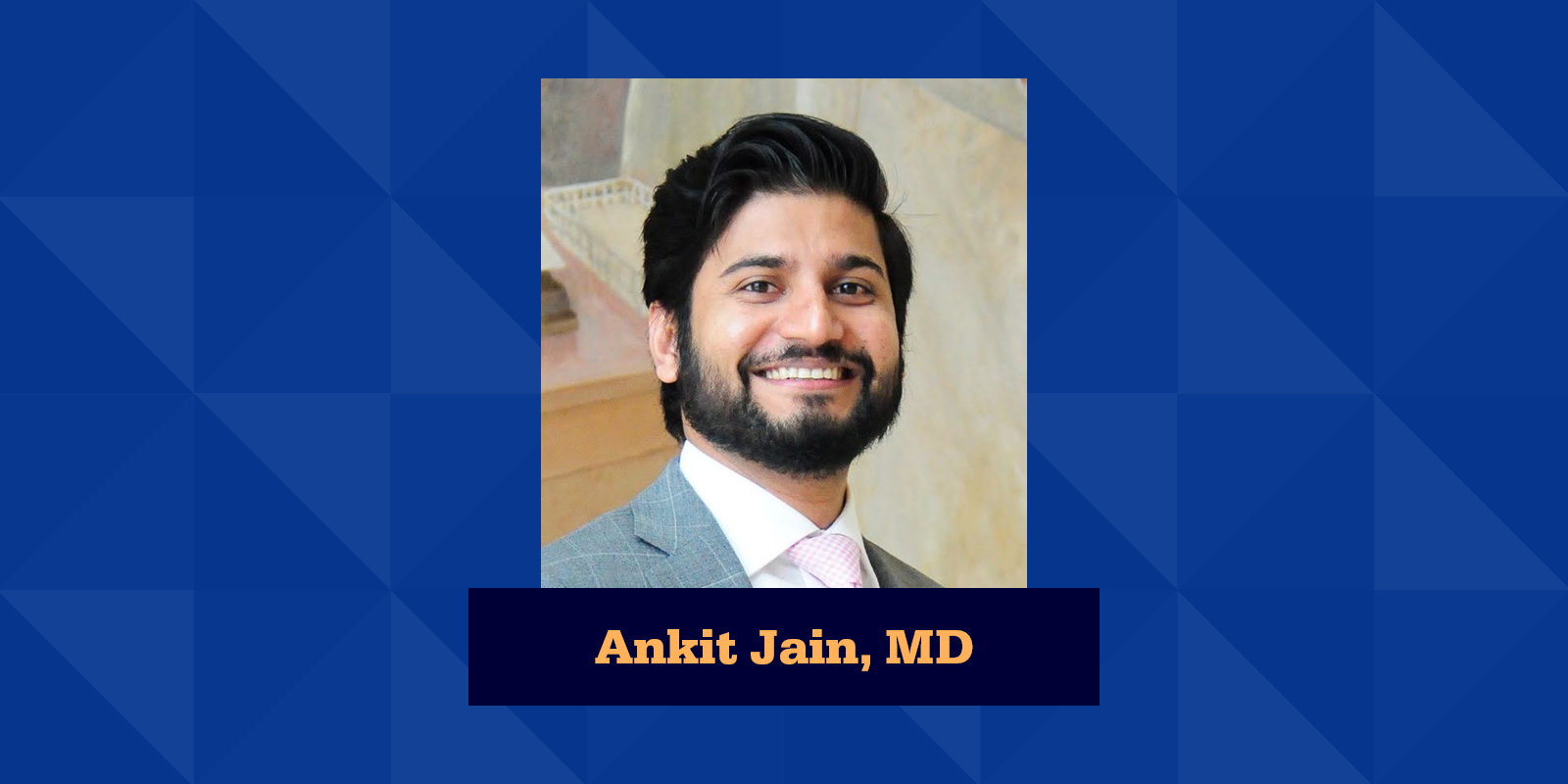
October is National Depression and Mental Health Screening Month. During this month, Pennsylvania Psychiatric Institute (PPI) hopes to bring more awareness to this disorder, and with the help of one of their psychiatrists, educate on the symptoms, treatment and how family members can help.

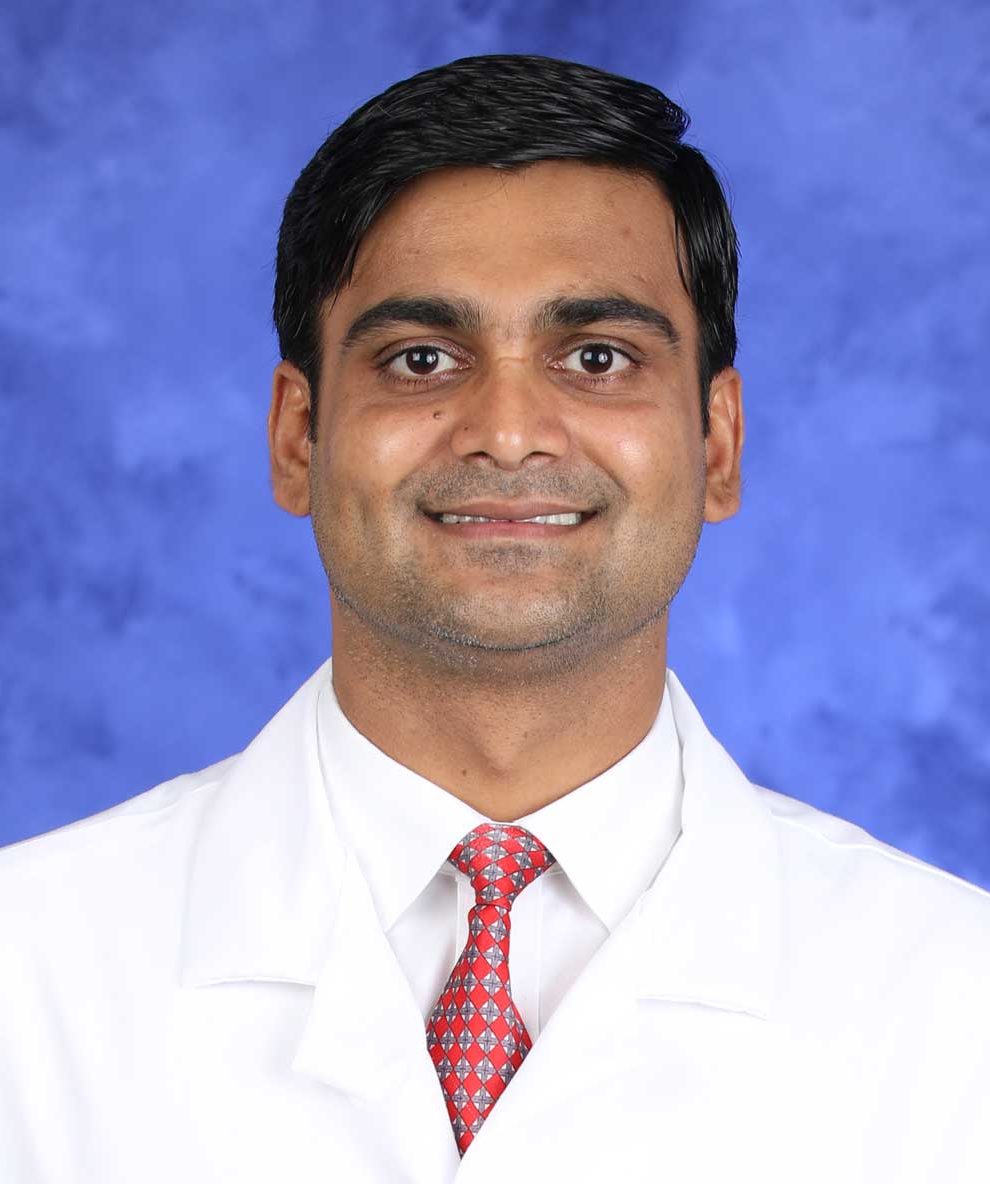
Ankit Jain, MD, is an outpatient psychiatrist at PPI, and regularly treats patients with depression among various other mental health problems. “Depression is a common term, but medically, it’s known as major depressive disorder, or MDD” clarifies Dr. Jain.

Symptoms

The Diagnostic and Statistical Manual of Mental Disorders (DSM) is the handbook widely used by clinicians and psychiatrists in the United States to diagnose psychiatric illnesses. According to the DSM-5, some of the symptoms include:

  • A period of sad or depressed mood
  • Loss of interest or pleasure in activities
  • Sleeping too little or too much
  • Variation in appetite
  • Variation in weight
  • Moving too slow or fast
  • Having little energy/easily feeling fatigued
  • Poor focus or concentration
  • Feeling unworthy of good things in life
  • Extremely hopeless
  • Feeling guilty or self-critical
  • Repeating/fleeting suicidal thoughts


Dr. Jain notes: “Some or all these symptoms are required for diagnosis. The World Health Organization estimates that MDD is the 11th greatest cause of disability and mortality in the world, meaning that there are over 265 million that suffer from depression worldwide. In the US especially, it is extremely common – almost at epidemic levels – affecting 1 in 10 Americans. Depression also greatly increases the risk of suicide, at a rate 27 times more likely than the general population.”

“We see the highest rates in individuals 18-25, with women being twice as likely than men to have depression. Depression also has a genetic component, meaning those with a family history are more at risk. If you have a family history, it’s important to be aware of the symptoms of depression and seek the help of a mental health provider if you think you might be depressed.”

Diagnosis and Treatment

When discussing how he treats patients with depression, Dr. Jain states, “I first give them an assessment and psychiatric evaluation, before recommending psychotherapeutic techniques. Then I look at their medical conditions, if they’re taking any medications and if they might need adjusted. I mostly see patients in an office setting, though sometimes if any of their conditions are so severe that functionality becomes limited, or they pose a danger to themselves or others, I’ll refer them to impatient care for appropriate treatment.”

In addition to mental status examinations, Dr. Jain also does physical exams and medical evaluations, and will refer patients to other providers if he finds other conditions that need treatment. “Depression is a common comorbidity, meaning a medical condition that is also present with one or more other conditions in a patient. Common comorbid conditions are diabetes, high blood pressure, cancer, stroke, rheumatological diseases and chronic illness like lupus and MS. Unfortunately, when associated with another condition, outcomes are worse than having that condition alone.”

Depression can be experienced at different stages. “There are three levels - mild, moderate and severe. For mild to moderate depression, we typically treat with psychotherapy, individual counseling, cognitive behavioral therapy (CBT), interpersonal therapy and/or psychodynamic psychotherapy. For moderate to severe cases, in addition to therapy, we also use medication. Common medications include anti-depressants like selective serotonin reuptake inhibitors (SSRIs), SNRIs, atypical antidepressants, mood stabilizers, anti-psychotics, stimulant and non-stimulant medications.

“No matter the severity, I always recommend lifestyle changes like exercise, maintaining a healthy diet, socialization and avoiding substances. These behavioral modifications are an important part of any treatment plan.”

Helping a Friend or Loved One

If you have a friend or family member who has depression, know that there are things you can do to help their recovery. With a 50% chance that a patient’s depression will reoccur, having supportive friends and family can help prevent recurrence.

Dr. Jain explains, “Knowing the symptoms is important. Feeling sad off and on is different from feeling heavy and experiencing changes in appetite or sleep. You can help a loved one by talking with and supporting them, taking them to their mental health professional for assessment and by asking them if they have any thoughts of self-harm.”

"Those with depression can be hypersensitive, so being more sensitive to their emotions and offering support and encouragement can go a long way. MDD causes poor psychosocial relations so they may have problems with personal relationships or issues dealing with their employment. If you notice them isolate or withdrawal, encourage them to socialize. Other things to look out for are any worsening symptoms, like not sleeping or eating. If you notice worsening symptoms, increase your encouragement for them to get evaluated.”

The median time to recovery is 20 weeks and though sometimes episodes can resolve more quickly, it can be a long process. Support groups are available for family members who may need help and support as well.

Pandemic Impact

“Many are now aware that COVID-19 had a huge impact on mental health. There are lots of studies showing how it worsened anxiety and depression symptoms in patients. In a study I wrote during Covid, those who already had MDD experienced worsening conditions due to its unexpected nature, not having enough information initially, the reduction of services and institutes running at lower capacities.”

Read more from Dr. Jain’s article linked below.
Impact on mental health by "Impact on mental health by “Living in Isolation and Quarantine” during COVID 19 pandemic

Dr. Jain has authored numerous other studies and papers in renowned journals and has written book chapters related to psychiatric and neurological conditions. He is also an Assistant Professor of Psychiatry and Behavioral health at Penn State College of Medicine and an Attending Psychiatrist at Penn State Health where he routinely teaches medical students, PA students and Psychiatry residents.

If you are having suicidal thoughts, contact the National Suicide Prevention Lifeline at 1-800-273-8255 for support and assistance from a trained counselor. If you or a loved one are in immediate danger, call 911.

If you would like to speak to someone about better managing your stress and anxiety, or to make an appointment, please call (717) 782-6493 for more information.

Children and Mental Health: Dr. Pathak Explains the Child Programs at PPI

Meenal Pathak, MD

Children and Mental Health: Dr. Pathak Explains the Child Programs at PPI

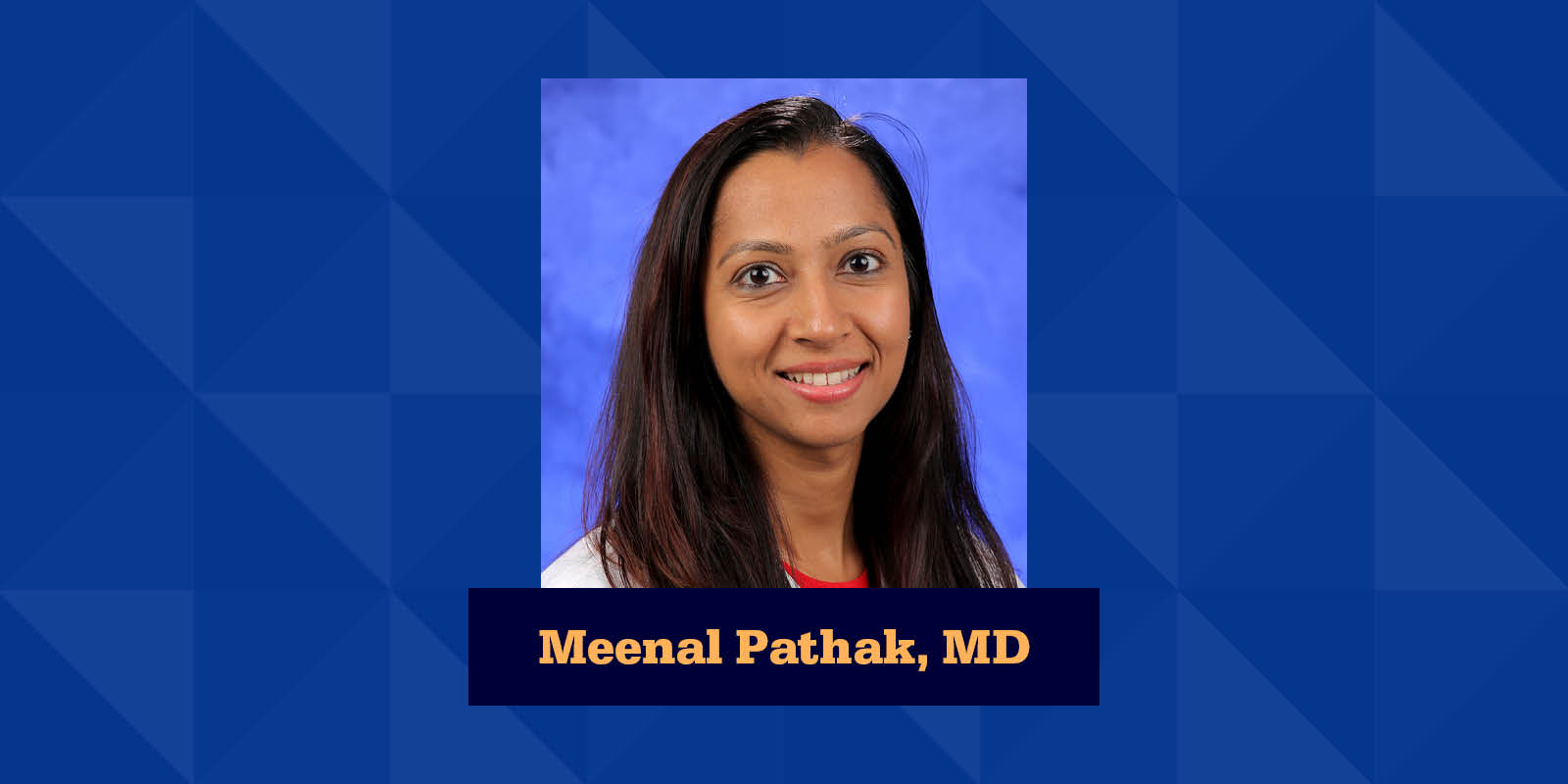
Meenal Pathak, MD, wears several hats at Pennsylvania Psychiatric Institute (PPI). Dr. Pathak takes care of the child partial hospitalization program, which she has overseen since 2018, she also spends time in the child outpatient clinic, all the while being a Penn State assistant professor, and the president of PPI’s clinical staff.

“My main responsibility is caring for the kids who enter the partial program at PPI. When kids enter our program, I meet them to get their history, revise diagnosis and adjust medications as needed. The duration of our program is usually three weeks, though has sometimes been extended like we saw during COVID times due to patients who needed to be quarantined. Either a nurse practitioner or I see each child once a week during their stay, sometimes doing more check-ins if needed, and they attend group therapy every day. If a child is in crisis, our clinic staff will be the first to address the situation and let the providers know an evaluation is needed to decide if they need to go to the ER or home to their family. I also perform a discharge evaluation before any child is cleared from the program to make sure everything is squared away” explains Dr. Pathak.

Further describing the program, “Since the children do not go to school when going through our program, we have CAIU teachers at PPI. This way kids can continue their schooling while going through the program. We are in touch with their school counselors, provide collaborative care, psychiatry care and approved therapy. We also have a resource coordinator who helps set up aftercare appointments. The partial program can treat up to 45 patients at a time, with enough staffing. However, because of our need for more providers and nurses, our census for what we can currently handle runs closer to 35, which we were doing well with, until Covid hit.”

In March of 2020, all programs moved to telehealth, even the group therapy. Most of the staff was at PPI, but the patients were now at home. Kids were previously pulled from the group for their individual, family or psych evaluation session, but this could not be done with the new online meetings. So, a new plan was needed.

“Our resource coordinator stepped up and took on the responsibility of scheduling appointments for the psychiatrists, calling the families to do so. We had to update our screening practices and Intake forms so that they could be completed online. In July 2020, we started back in-person with a hybrid model, which unfortunately went back to telehealth during the surge in December, fully reintegrating to in-person January of 2021. The transitions were difficult, but our staff and team did well to quickly organize and continue running our programs” notes Dr. Pathak on Covid’s effect on the partial program and outpatient clinic.

“Though our team responded well, we still had our challenges. The severity of mental health worsened during and after Covid. Kids and families were more stressed out. Our inpatient unit has been at capacity for the past two years, so we don’t always have beds available for new patients. Patients coming from the ER would be there for a few days to stabilize before arriving at our inpatient unit. The children were admitted on the Pediatric floor where our consult team sees them and once cleared, they joined the inpatient unit. However, if no beds are available, they then wait on medical floor until we’re able to absorb them into partial program.”

“Similar to what was happening with our adult population, we were also seeing more acute youth patients. We were seeing kids with social anxiety from not leaving home for two years. Our partial hospitalization program helped with surge in mental health crises.”

“The stressors for children are different from adults. When evaluating a child, we consider the family home life, school life, friends, any bulling, stability and if there may be any abuse. Unlike adults, children are dependent on adults to get help for their needs. What we see the most of are diagnoses of PTSD, depression anxiety, autism, social, ADHD behavioral issues referred from aggression and OCDs.”

“When the schools close like due to Covid, or over the summer, some of the patients struggle. Some kids get school-based therapy, so they no longer get those services. Their counselors offer sessions, but the kids need to go to their office or use telemedicine. We found that virtual appointments can sometimes unfortunately hinder connection, as some don’t want to turn their camera on due to anxiety. Because of the difficulty connecting through school-based counseling thorough telehealth, returning to in-person meetings has helped.”

Under the guidance of Dr. Pathak over the past four years, the child partial program has restructured and developed.

“Our day-to-day workflow has changed. We have more streamlined processes for intake, medication administration and screenings. The program now has a nurse practitioner who helps to see patients during the week as well as address any crisis situations that may pop up. And though we have our challenges with nursing enrollment and staffing changes, our team works well to navigate through it.”

Dr. Pathak and her team have noticed that some adolescents struggle with engagement to see the program through. Because of this they are currently in the process of conducting a study on how they can improve compliance of program completion with outcome measures that affect which patients complete the program, and which will fail to complete. She hopes to find significant differences to then improve our parameters (which usually link to social determinants of health like transport, etc.).

“There is a HUGE need right now for mental health services. Our inpatient unit is always full, so having more partial programs available means we can help more people. Looking to the future, I would like to have a complement of telehealth services to help serve those living 2-3 hours away, so we can provide aid to a wider area.”

Through it all, Dr. Pathak stresses her gratitude for her team: “My team has been really great through Covid, and even now. They constantly keep their patients’ interest in mind and try to do the best for them and their families. I know it’s challenging for them, but the staff has been able to identify and address burnout sooner, in order to make sure their mental health is also taken care of.”


To learn more about the Child and Adolescent programs at PPI, click here, or call our Admissions Department at: 717-782-6493 or 866-746-2496.

The Hispanic Clinic with Dr. Diaz

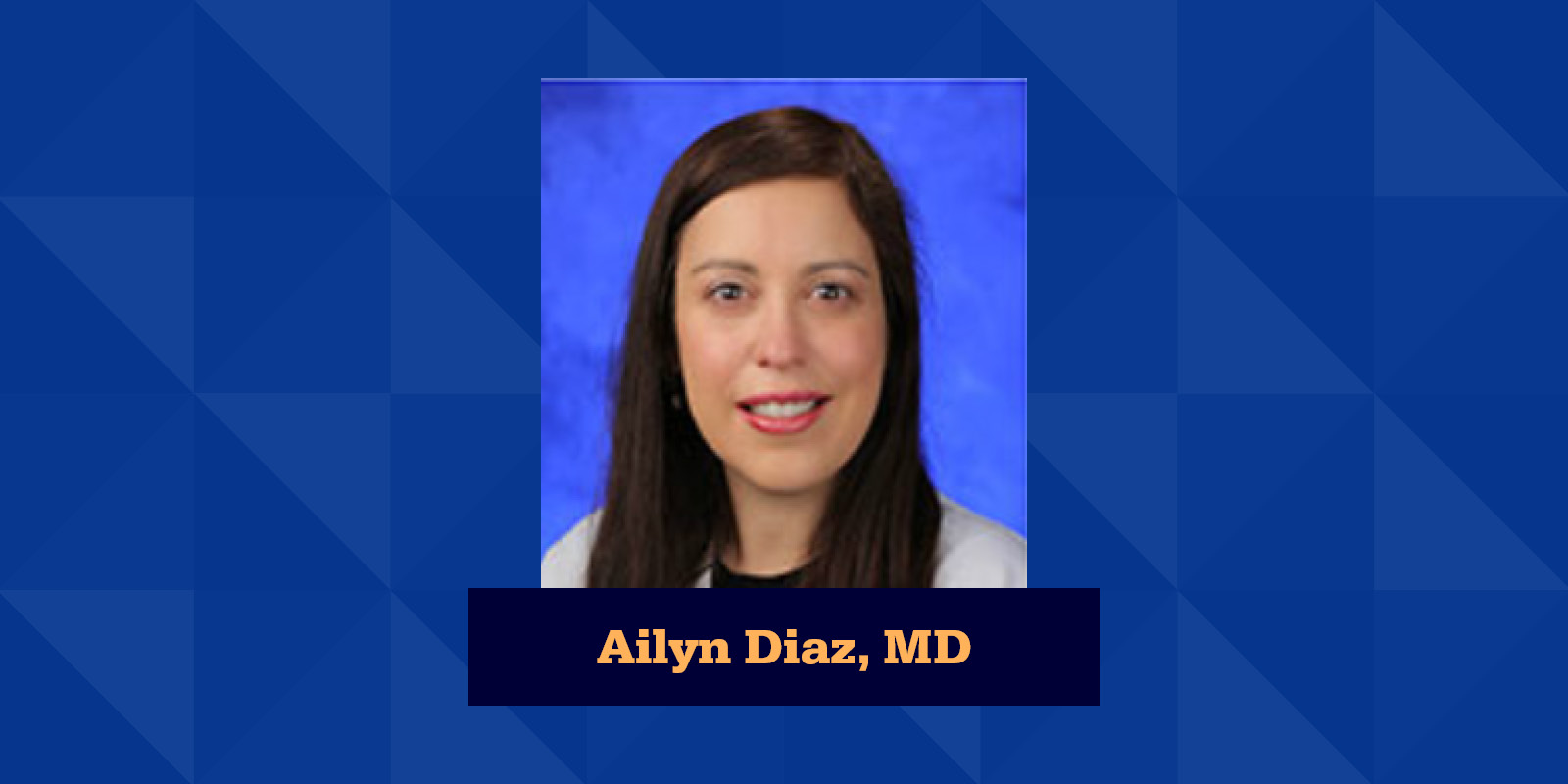
Ailyn Diaz, M.D.

The Hispanic Clinic with Dr. Diaz

During National Hispanic Heritage Month, September 15-October 15, 2022, we celebrate the achievements and contributions of Hispanic champions who have inspired others to succeed.

To start off, we want to highlight one of our own, Ailyn Diaz, MD, who has been a part of our team since 2015. Dr. Diaz is a child and adolescent psychiatrist at Pennsylvania Psychiatric Institute (PPI) as well as the Director of the Hispanic Clinic.

“The Hispanic Clinic is a specialty service where we can see patients in their native language with bicultural and bilingual therapists. Patients get to see someone with a cultural understanding of what they are going through” explains Dr. Diaz.

“Culturally and linguistically competent care is important. Hispanic women have higher rates of anxiety and the pandemic saw increased rates of suicide in Hispanics.” The relationship and communication between a person and their mental health provider is a key aspect of treatment. It’s important for a person to feel that their identity is understood by their provider to receive the best possible support and care.

The Hispanic Clinic delivers culturally competent psychiatric care and recovery-oriented services to patients in the Latino and Hispanic communities. It distinguishes itself from other PPI services in that all care is delivered/offered in the Spanish language by bicultural and bilingual psychiatrists and therapists. The Hispanic Clinic is inclusive of the Latino and Hispanic communities in Central Pennsylvania with a commitment to collaboration and empowerment through the identification of health disparities, stigma and structural influences.

Dr. Diaz further describes it: “Our clinic helps the Hispanic community with not only mental health and drug and alcohol recovery help and treatment, but also with other things like the ability to obtain services, navigate housing needs, and working with network of providers outside PPI for general treatment. We coordinate with the community, our parent organizations, internal programs, therapists and of course, our patients.”

When it comes to the founding of the Clinic, Dr. Diaz summarizes, “The Hispanic Clinic began in the 1980s by Dr. Montaner and Dr. Morales-Brandt when they were residents at Hershey Medical Center. They saw patients who spoke Spanish, and realized they needed to look at the aspect of culture in treatment. The location of clinic bounced around with the doctors until the Pinnacle Health (now UPMC) and Penn State Health merger in 2009, where it moved to its current location at PPI, where it remains though the founding physicians have either left or retired.”

Though the clinic’s parent organizations changed over the years, it continued to evolve, aiding a community in need, and providing success: “Through this clinic we have been able to help those who were homeless obtain and navigate the system to obtain housing and food, help those who have no insurance, help transgender people with no insurance cross the border in order to see a provider and provide charity care to those in need of specialty medical care” notes Dr. Diaz.

When asked of her goals, Dr. Diaz listed: “One of the great areas of need is a bilingual liaison to help community. I want to continue forming liaisons with community providers. I’d love to expand the clinic, expanding medical care is essential, however, we need a larger team with bicultural and bilingual providers.”

For more information on the Hispanic Clinic, visit our Hispanic Programs page, or call (717) 782-2120.

Vot-ER: Dr. Graziane's Drive for Civic Health

Dr. Julie Graziane

Vot-ER: Dr. Graziane's Drive for Civic Health
Julie Graziane, MD, has been an inpatient psychiatrist at Pennsylvania Psychiatric Institute (PPI) for the Mature 50+ unit for five years. Though the Geriatric unit is her home, she also helps to cover the other adult units at PPI. Outside of her love for helping care for her mature patients, she has a side passion for civic engagement.

Dr. Graziane illustrates the situation: “A lot has happened since 2020, and we’re seeing a population with more acute needs. Depression and mental illness decrease the probability of voting, especially as it relates to a marginalized population. However, voting is an important part of the recovery process. It has been found to increase life satisfaction, decrease risky behaviors and increase mental wellbeing.”

“Voting affects policies that affect patients’ lives. With increasing focus on social determinants of health and giving patients a voice in the policies that affect them, voting empowers the patient on an individual level.”

When asked about her interest in this topic, Dr. Graziane responded: “Civic health is academically very interesting for me. It is important to think about when working with patients because it is not only biological illnesses, but also social factors (social determinants of health) that affect patients. A patient’s rights and decisions affect them in the long run, so it is important to consider this in the patient/provider relationship.”

Due to the benefits for patient wellbeing, PPI is offering support to help their patients vote. “Offered to our PA residents, we can help them check their polling place and voter registration. Our hope is to expanded initiatives to encourage voter registration throughout our hospital” explains Dr. Graziane. “We partnered with Vot-ER, a national nonprofit organization that integrates voter registration into the health care delivery system.”

An excerpt from the Vot-ER website further explains their mission:

  • Vot-ER is founded on a core belief that empowered voices and full participation in the democratic process lead to positive health outcomes.
  • More specifically, Vot-ER connects healthcare institutions and providers with the tools, training, and community to register colleagues and patients to vote, bringing providers and patients together to promote civic engagement and create healthier communities across the United States. Vot-ER views hospitals and community health clinics as central touchpoints in communities - much like schools, DMVs, and libraries - where citizens should consider their civic health as well as their physical and mental health.

“PPI has really embraced their identity as a community psychiatric center. With a fair amount of community outreach, and now offering a community psychiatric fellowship, PPI realizes the important role community psychiatrists play in society. We are now taking a broader lens when looking at patients and considering their social determinants of health, which is sometimes just as important as the illness when thinking about recovery.”

Excitedly, Dr. Graziane notes: “My personal goal is to continue to increase civic health at PPI. Civic engagement and voting impact the health of our community. I want it to expand throughout the entire system; getting providers to speak to patients in every department about voting. Providers helping patients register is one more thing they can do to help their patients feel empowered.”