Mental health is deeply connected to reproductive health, yet many women struggle in silence through life stages like menstruation, pregnancy, postpartum and menopause. Recognizing and addressing these challenges is essential, and that’s where reproductive mental health care comes in.
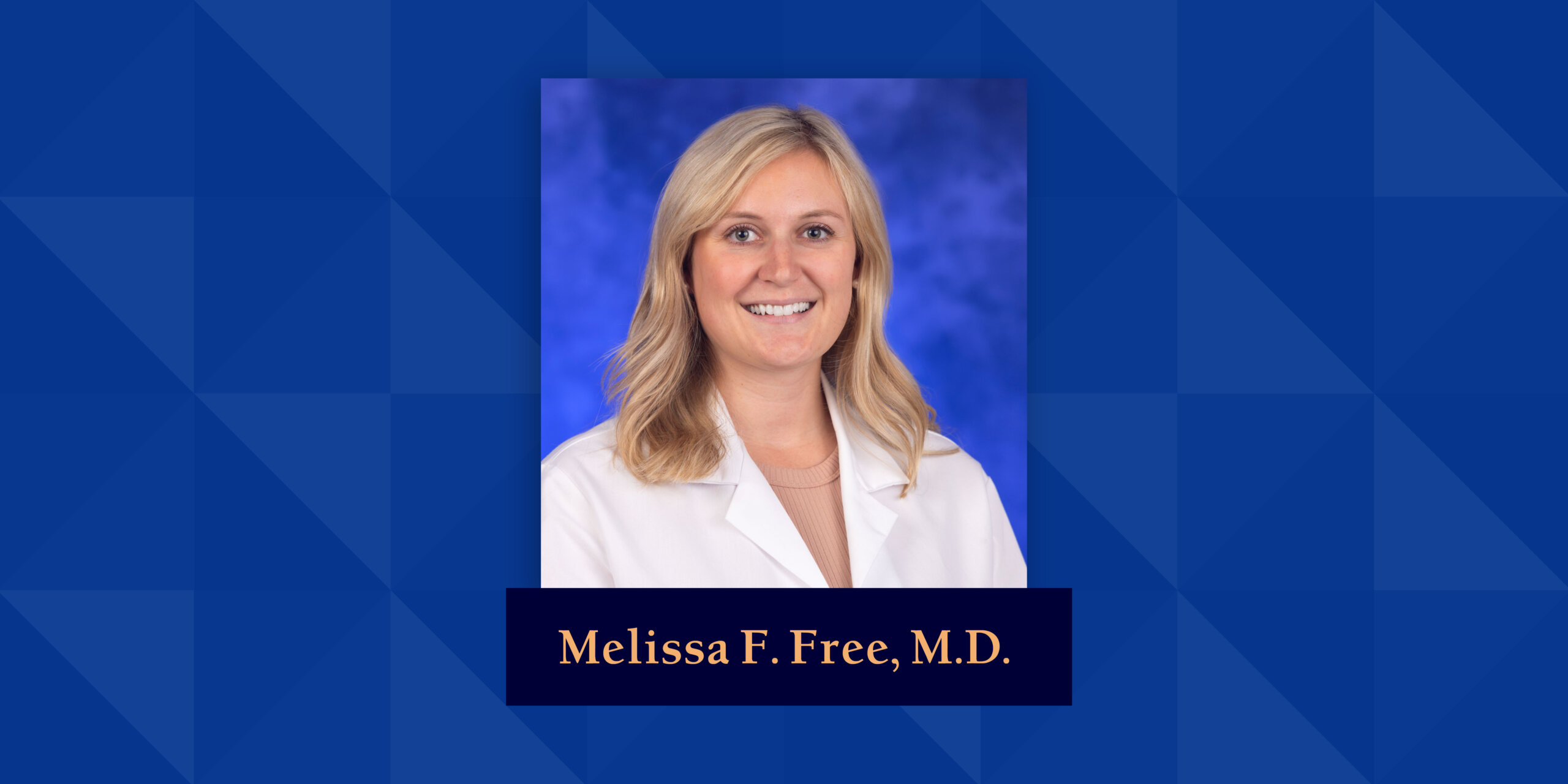
At Pennsylvania Psychiatric Institute (PPI), part of Penn State Health, the Reproductive and Behavioral Health Program is dedicated to supporting women through every stage of their reproductive journey. One of the program’s key providers, Dr. Melissa Free, offers specialized care at PPI’s Division Street location, helping women navigate the emotional complexities of reproductive transitions with compassion and expertise.
What is Reproductive Mental Health?
Reproductive mental health focuses on the psychological and emotional effects of hormonal and reproductive changes throughout a woman’s life. This includes:
Menstruation and premenstrual dysphoric disorder (PMDD)
Perinatal and postpartum depression (PPD)
Infertility-related stress
Pregnancy loss and grief
Perimenopausal and menopausal mood disorders
Endometriosis and other causes of chronic pain
These conditions are more common than many realize. For instance, up to one in five women experience postpartum depression, and hormonal fluctuations during perimenopause can lead to significant mood disturbances.
Why Specialized Care Matters
Reproductive mental health requires a meticulous approach that considers both biological and psychosocial factors. At PPI, patients benefit from personalized treatment plans that may include:
Medication management tailored to reproductive stages
Trauma-informed care
Psychoeducation for patients and families
Collaborative care with OB/GYNs and primary care providers
Dr. Free plays a vital role in this multidisciplinary approach. With a focus on reproductive psychiatry, she works closely with patients to ensure they receive timely, empathetic and effective care. Her clinic at the Division Street location is a welcoming space for women seeking support during some of life’s most vulnerable moments.
Accessible Support
PPI’s program is designed to be accessible to all. Both self-referrals and provider referrals are accepted
Raising Awareness and Reducing Stigma
One of the program’s goals is to educate and empower women to seek help when they need it. Many women suffer in silence, unsure if what they’re feeling is “normal.” By raising awareness and providing clear pathways to care, PPI and Dr. Free are helping to break the stigma around reproductive mental health.
If you or someone you know is experiencing emotional challenges related to reproductive health, help is available. To learn more about the specialized reproductive psychiatry services, contact PPI by calling 717-782-6493 and requesting a “Resource Coordinator intake for Reproductive Psychiatry with Dr. Free.”
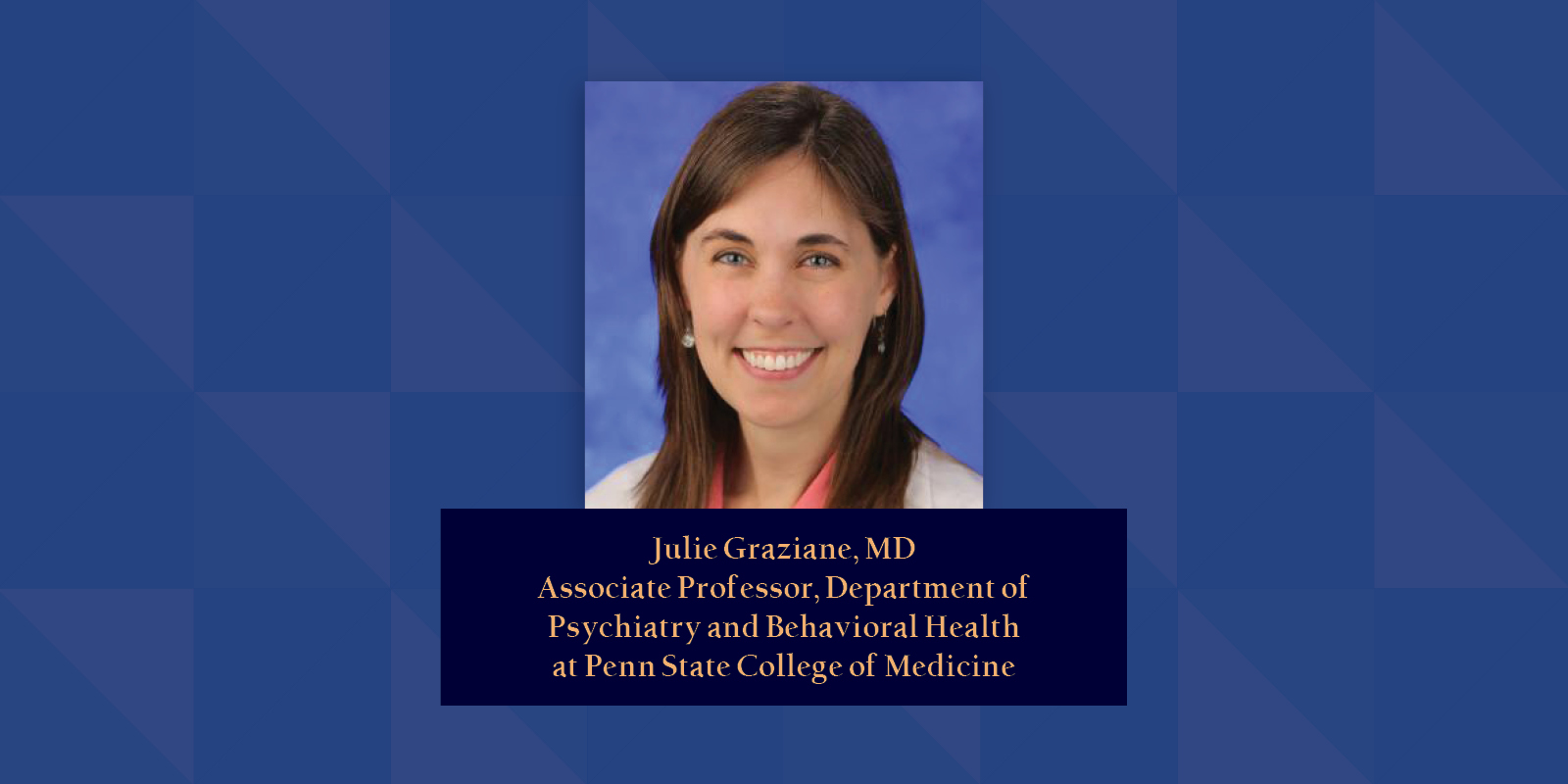
In central Pennsylvania, voting is a powerful way to support the community and contribute to important decisions that affect everyone’s well-being. Julie Graziane, MD, associate professor, Department of Psychiatry and Behavioral Health at Penn State College of Medicine, is leading an initiative at the Pennsylvania Psychiatric Institute (PPI), a Penn State Health enterprise, to help individuals, especially those with mental health challenges, understand the impact of their vote.
"The act of voting allows us to have our voices heard and the issues we care about brought to the table," highlights Graziane, MD.
Why Voting is Important
By voting, individuals can ensure their opinion is considered when leaders make decisions that affect their daily lives, helping to shape policies that provide better support, access to care and overall well-being for themselves and their communities. For nearly one in five adults in the U.S. who have experienced a mental health condition, voting is an opportunity for them to be heard and to highlight the issues that are important to them. "When people vote, it reinforces the idea that their voice matters, that they matter," Graziane adds.
Beyond the importance of having one’s voice heard, voting impacts mental health. Civic engagement, including voting, is associated with decreased depressive symptoms and risky health-related behaviors. Focus group data indicates that political participation is an important element of psychiatric recovery. Election outcomes affect access to housing, health care, transportation, neighborhood safety and other public resources*. This suggests that voting is beneficial for mental health and impacts key social determinants of health, which in turn affect mental well-being.
Mental Health and Voting
Individuals who have experienced mental health challenges often face obstacles like a lack of awareness about their voting rights or difficulty navigating the registration process. These barriers can make it harder for them to participate in elections. However, when they do engage in voting, it can have a profoundly positive impact by empowering them to influence policies that directly affect their care and overall well-being. "Voting is a way for people with mental health conditions to have their voices heard on issues that directly impact their care," says Graziane.
Barriers to Voting
"A major barrier is that many people are not fully informed about their voting rights or how to navigate the registration process," Graziane notes.
At PPI, a dedicated, nonpartisan team works to remove barriers that individuals experiencing mental health challenges often face in the voting process. The team helps individuals understand their voting rights, assists with registration using digital tools and guides them on where and when they can vote legally. They provide crucial education on the importance of voting, helping individuals make connections between the act of voting and the policies and laws that govern everyday issues, like access to care, housing and recovery-oriented services. This support ensures that people are informed, registered and ready to participate in elections.
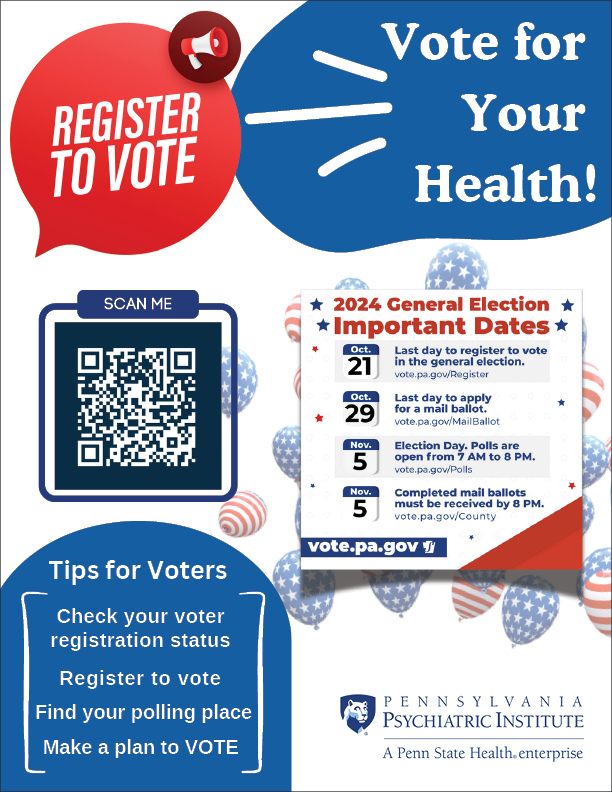
The Pennsylvania Department of State offers essential guidance on PA.gov for those getting ready to vote in the upcoming election:
Eligibility: You must be at least 18 years old on Election Day and a U.S. citizen having lived in the Pennsylvania election district for your residential address for at least 30 days before the election
Registration Methods: You can register to vote online, by mail, or in person at locations like the Department of Motor Vehicles
Deadlines: You must be registered at least 15 days before the election
Checking Registration: You should verify your voter registration status online to ensure it is accurate and current
Pennsylvanians who need voting information or encounter voting problems can call the State’s year-round voter hotline, 1-877-868-3772.
Managing Election Stress
Elections can be stressful, especially for those with preexisting mental health conditions. Graziane advises, "Like with any stressful situation, it’s important to be aware of your boundaries and recognize what might trigger additional stress." She encourages using coping strategies like mindfulness and deep breathing to manage election-related anxiety.
"The options of voting by mail or using tools to prepare before entering the voting booth can also reduce stress, allowing people to vote on their terms," she adds. These options, along with others based on recovery-orientated principles, are part of the advice the PPI team offers.
Encouraging Others to Vote
Graziane encourages all health care providers to discuss voting with their patients. "Voting is a vital part of our democracy, and it’s disheartening to see segments of the population face barriers to participating," she says. She stresses the importance of approaching the topic in a neutral, nonpartisan way, ensuring patients feel empowered without added pressure.
Voting is not just about choosing candidates; it's a way for individuals to engage with their community and influence the policies that affect their lives. With the support of programs like the one at PPI, more people are finding their voice through voting.
This two-part non-partisan document series focuses on why voting is important and how practitioners can support individuals experiencing mental health challenges to vote.
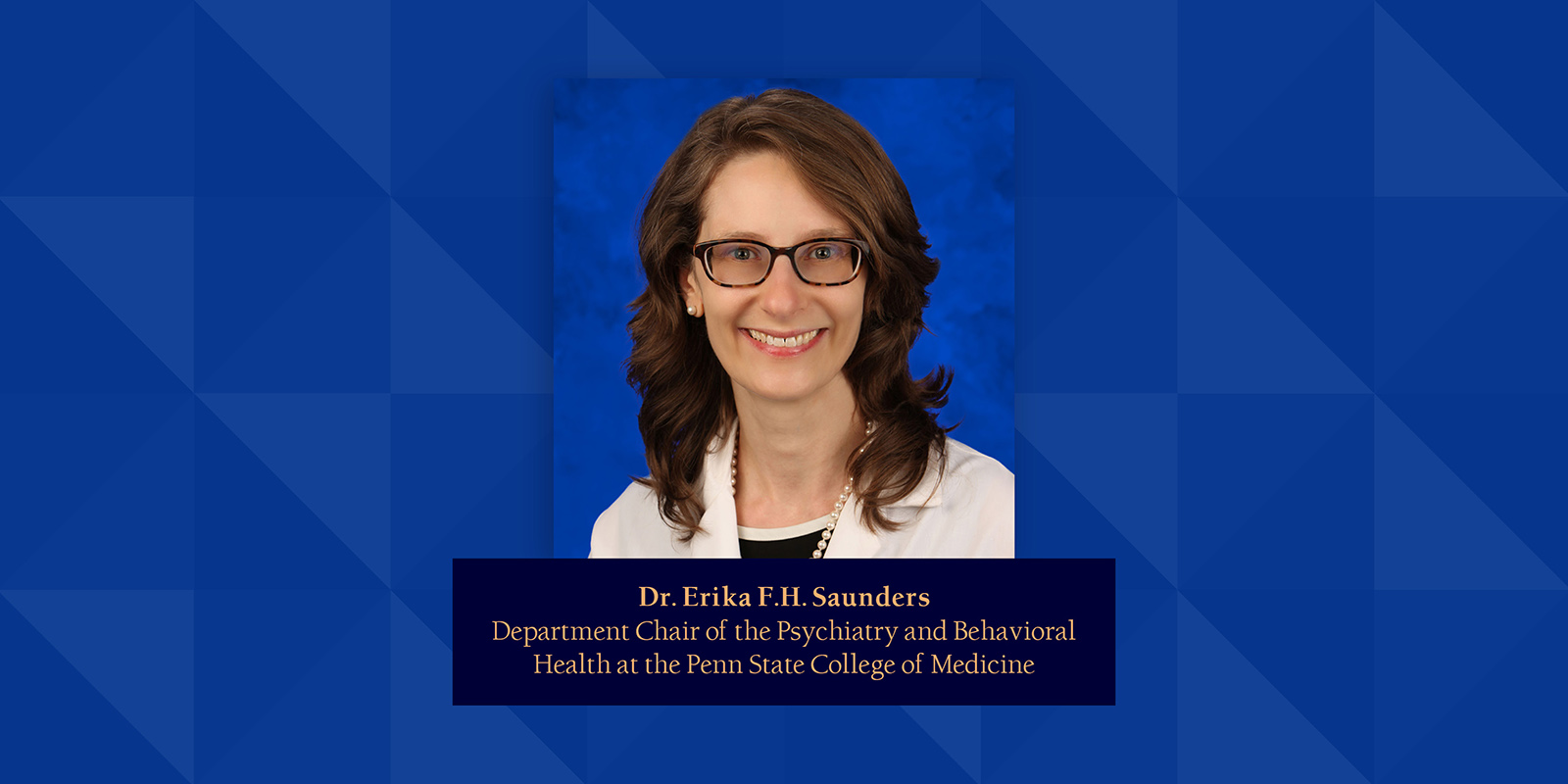
"Everybody knows somebody who's been affected by mental illness or an addiction, and letting folks know that you're aware these issues exist, you're a safe person to talk to, can be very useful," said Dr. Erika F.H. Saunders, a leading mental health expert and professor and chair of the department of Psychiatry and Behavioral Health at the Penn State College of Medicine. This powerful statement underlines the universal impact of mental health issues and the importance of open discussions and support. In a world where mental health often carries a stigma, understanding and support from each one of us can make a significant difference.
In this article, guided by Dr. Saunders' insights, we delve into how education, support systems and modern technology can make mental health care more accessible and effective. We will also explore why it's crucial for everyone to be part of the solution in enhancing mental wellness in our communities. Discover how you can contribute to breaking down barriers and building a more supportive environment for mental health.
Education's Role in Mental Health
Dr. Saunders explains that education is vital to understanding mental health. She said that by educating people, we can help them see that mental health issues are not different from physical health problems. This approach enables everyone to treat mental health with the same seriousness as physical health.
Dr. Saunders explained that it is important to highlight in education that “Mental illness and behavioral disorders are just like physical conditions,” and that they occur because of medical reasons.
When asked about expanding their knowledge, she advises patients and families to rely on their medical providers and trusted sources. Below is a short list of trusted information outlets:
By teaching people about mental health, we can remove the shame and fear that often come with these conditions.
Building Awareness
Dr. Saunders highlights how advertisement campaigns and public figures who talk openly about their struggles can significantly improve public awareness.
Senator John Fetterman's openness about his struggles with depression, particularly following a stroke, is a prime example of how public figures can influence the mental health conversation. By sharing his journey, Fetterman has shown that mental health issues don't discriminate and can affect anyone, even those in high public office. His honesty not only helps to destigmatize depression but also encourages others to seek the help they need. Fetterman's story is a powerful reminder of the importance of transparency in public life and its positive impact on widespread mental health awareness.
“Depression is so sinister because it convinces you that even though you won, you actually lost,” shared Fetterman on the social platform X in October 2023. “I was able to get help, and I have a duty and a privilege to have this conversation with anyone who'll listen.”
Beyond advertising campaigns and outreach by public figures, community programs and local support play a prominent role in helping to grow the community's knowledge about mental health issues. Programs like Mental Health First Aid, supported by the Pennsylvania Psychiatric Institute (PPI) and Penn State Health, show how communities can work together to support mental health. These efforts ensure people can get help without feeling judged.
Stephen A. Smith, the Ad Council and "Love, Your Mind" team up to say, "There's no debate when it comes to mental health."
Awareness doesn’t end with celebrity or community engagement programs but extends to conversations in our stores, jobs, schools, religious centers, and homes.
Support Systems and Local Help
Dr. Saunders discusses the challenges people face when trying to get mental health care, such as logistical issues and stigma. Support needs to be accessible and inclusive. Dr. Saunders emphasizes the importance of local resources, like the Mental Health Support Group at PPI or available school programs found through onsite counselors, which are key in giving timely and effective support. These local efforts ensure people have the help they need when needed, leading to a healthier community.
"The first thing to recognize is that resources are available whether or not you have insurance.” She explained, “The first place to start is your primary care office.”
Overcoming Barriers to Mental Health Care
To enhance access to mental health care, Dr. Saunders highlights key barriers and offers strategies to overcome them:
Transportation Barriers
Use county resources that provide transportation for medical appointments.
Understand that modern mental health care involves a team approach, including various specialists.
Broaden your search for help beyond just psychiatrists to include other mental and physical health professionals.
Telehealth / Internet Access Challenges
Visit public libraries, which may offer the necessary facilities for confidential telehealth appointments.
Taking Time Off Work
Request a medical note to inform your employer that you are undergoing treatment for a medical condition. This helps secure the necessary time off without disclosing specific details.
"Addressing barriers to mental health care is crucial,” said Dr. Saunders. “We must ensure access to resources, support diverse care teams, and make services inclusive. Overcoming these hurdles is key to effective treatment."
The Future of Mental Health Care
Looking ahead, Dr. Saunders is optimistic about the future of mental health care, especially about better and more personalized treatment. "In the next five to 10 years, I see improvements in connecting people to mental health care. We'll ensure they receive the right type of care from the right professionals at the right time and are guided by the best treatments available,” she shares.
Digital tools, like apps and online services, will continue to be a part of our mental health care if used carefully and with professional advice. There are many tools out there now, but not all are based in scientific evidence. She shared, "The current AI-based tools are not a replacement for a therapist. They can easily say harmful things because they are not human intelligence." Further explaining, she pointed out that while AI technology is advancing and there is significant interest in using AI for therapy, the current technology cannot yet match human therapists' nuanced understanding and empathetic response. Dr. Saunders sees potential in AI helping with certain aspects of care in the future. She emphasizes that careful testing and validation are needed to ensure these tools are helpful and not harmful. Ask your doctor or rely on trusted organizations for a recommendation.
She sees a promising future, focused on removing barriers, improving personalized care, and ensuring everyone has the support they need.
If you are looking for help with mental health care, you are not alone. Visit the PPI website for more information and resources. You can also call the Admissions Department at 717-782-6493 or 866-746-2496 24 hours a day, seven days a week.
Together, we can increase understanding and build support systems to help those facing mental health challenges.
How PPI and Lindsey Lowenfeld Are Transforming Mental Health Care
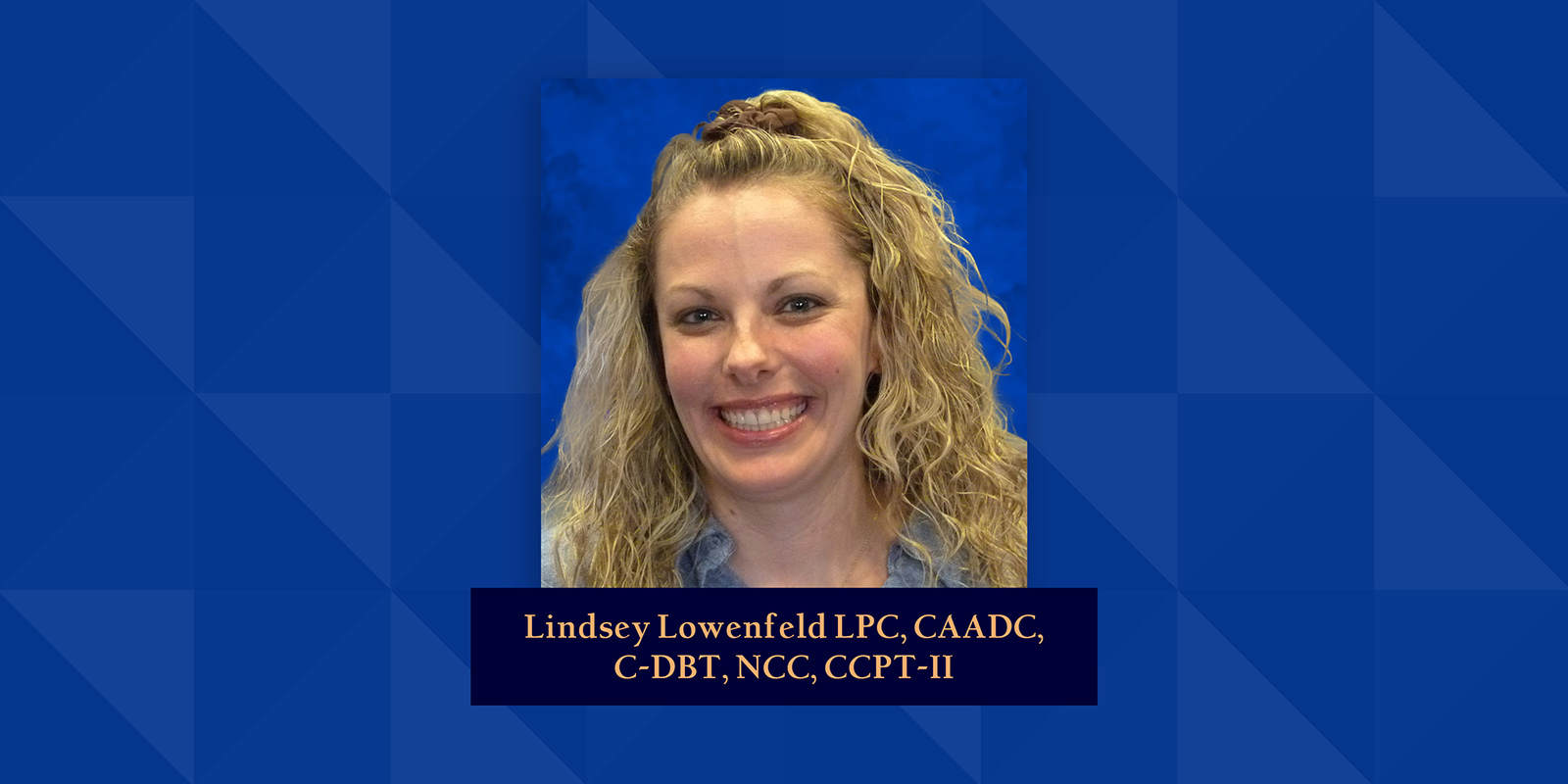
As Mental Health Awareness Month unfolds, Lindsey Lowenfeld, a therapist and clinical manager at Pennsylvania Psychiatric Institute (PPI), shares valuable tips on how everyone can take better care of their mental health.
"We all have mental health, just like we all have physical health. It's crucial to talk about it and seek help when needed," said Lowenfeld when discussing one of the critical parts of any discussion surrounding improved mental health.
Simple Steps to Better Mental Health
Lowenfeld believes caring for our mental health should be as regular as brushing our teeth.
Here are some tips she suggests:
Stay Active
Do things that get you moving and make you happy, like playing a sport or going for a walk.
Check In with Yourself
It’s essential to stop and think about how you’re feeling. Are you sad, tired or worried? Recognizing your feelings is the first step to feeling better.
Talk About Your Feelings
Sharing your feelings with friends, family or counselors can make a big difference.
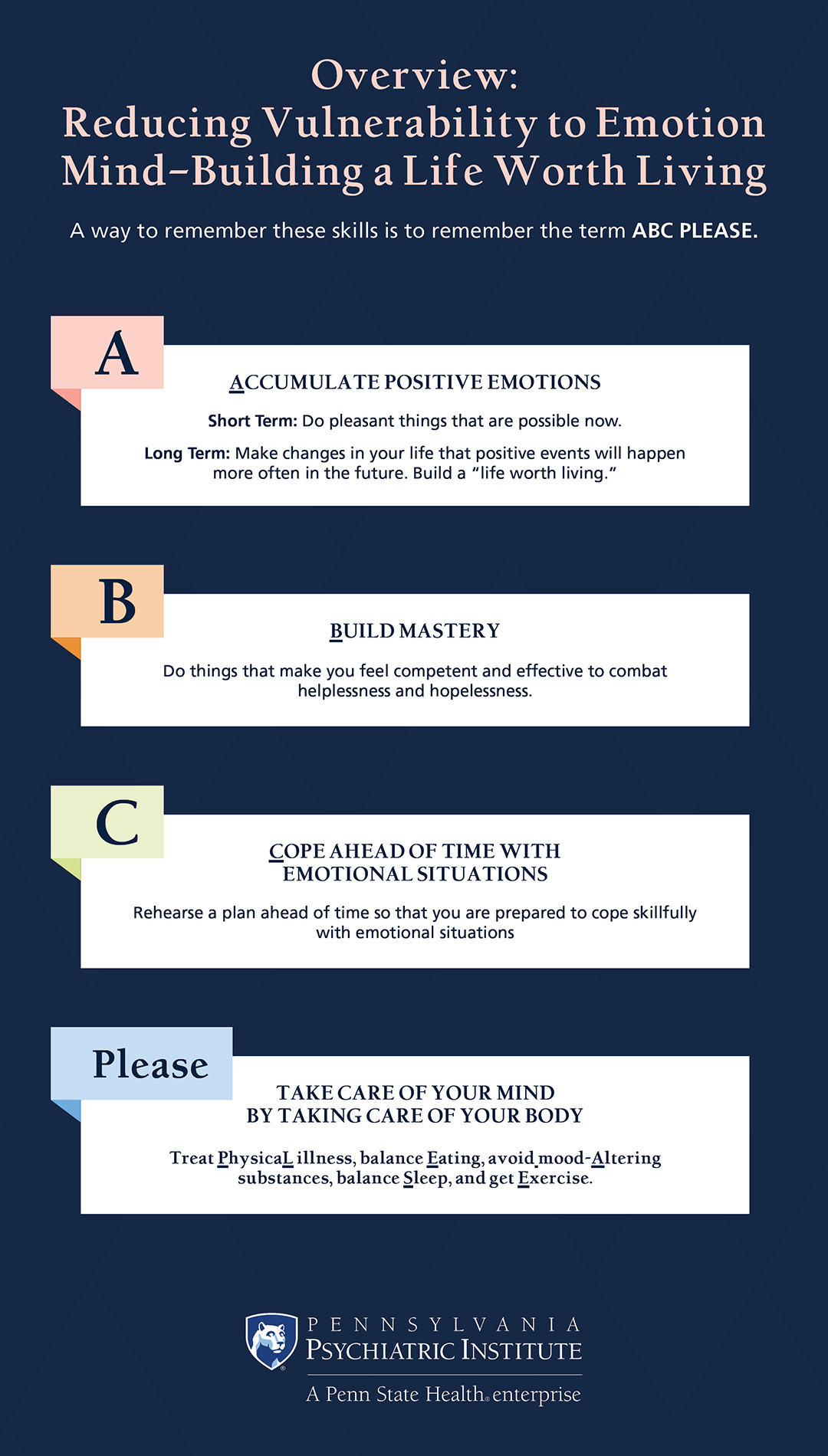
Accumulate Moments of Joy
Reflect back on your successes, and don’t be afraid to take the time to enjoy simple pleasures. From watching your favorite show to reading a book to having a conversation with a friend, permit yourself to do what makes you happy.
"Practicing good mental health care is as essential as any other part of your health routine," Lowenfeld points out. She went on to explain that just as you wouldn't ignore a severe headache or a recurring cough, we shouldn't overlook our mental health needs. It's about taking those small steps daily to ensure we feel our best.
Breaking Down Mental Health Stigma
Many people feel uncomfortable talking about mental health because of stigma, which is when people view mental health problems in a negative way. Lowenfeld works hard to change these views. She teaches others at PPI and in the community that it’s okay to talk about mental health and seek help.
“Just talking about your experiences can open doors for others to do the same and remind everyone that they are not alone,” Lowenfeld explains.
How PPI Supports Its Clients
At PPI, Lowenfeld and her team help people with challenging emotions or mental health issues. They have special programs for children, adolescents and adults. PPI also offers support groups where people can meet others facing similar challenges.
As a Penn State Health Enterprise, PPI can help its clients in various ways. A few of the services they offer are:
Adult Psychiatric Programs
Electroconvulsive Therapy (ECT)
Hispanic Psychiatric Programs
Mature Adult Psychiatric Programs
Child and Adolescent Psychiatric Programs
Dialectical Behavior Therapy (DBT)
Option Treatment Program
First Episode Psychosis (CAPSTONE)
PPI offers a wide range of services for individuals with depression, eating disorders, anxiety and phobias, post-traumatic stress disorder (PTSD), attention deficit disorder (ADD), schizophrenia, bipolar disorder, emotional and behavioral problems, addictions, memory loss and more. You can learn more by visiting our website.
Supporting Staff to Improve Client Care
"One of the things that I did early in my manager role is to develop training on working with individuals with borderline personality disorder,” shared Lowenfeld. “It was to address the kind of stigma that individuals in the mental health field can have towards working with individuals with that diagnosis.”
This training, supported by PPI and encouraged by the managers, is a clear example of the work undertaken to create a well-supported and educated staff that can provide the best care for clients. This training, among others regularly offered, not only educates but also empowers the staff, enhancing their ability to provide compassionate and effective care.
"We are constantly working to coach employees and get them in the positions they want to be in," she says. This approach includes providing staff with the resources and opportunities to pursue further training and specialization, particularly in areas like trauma therapy and DBT.
Looking Ahead at Mental Health in Central Pennsylvania
Lowenfeld dreams of making even more people aware of how important mental health is. She hopes to see more services available for everyone and less worry about talking about mental health. “I would love to see less stigma for people seeking services,” she says.
This Mental Health Awareness Month, remember the important tips shared above and know that places like PPI are ready to help. Whether you are having a hard day or looking for ways to stay happy, you are not alone. PPI and therapists like Lindsey Lowenfeld are here to support you on your journey to good mental health.
If you’d like to learn more about PPI’s approach to mental health, please don’t hesitate to contact us by phone at 866-746-2496 or visit our website to learn more. We’re committed to providing an inclusive, welcoming space where everyone can access the care and support they need.
Mental Health Awareness Month
May is Mental Health Awareness Month. Since its inception in 1949, Mental Health Awareness Month has been a cornerstone of addressing the challenges faced by millions of Americans living with mental health conditions. You can learn more by visiting the National Alliance on Mental Illness (NAMI) website.
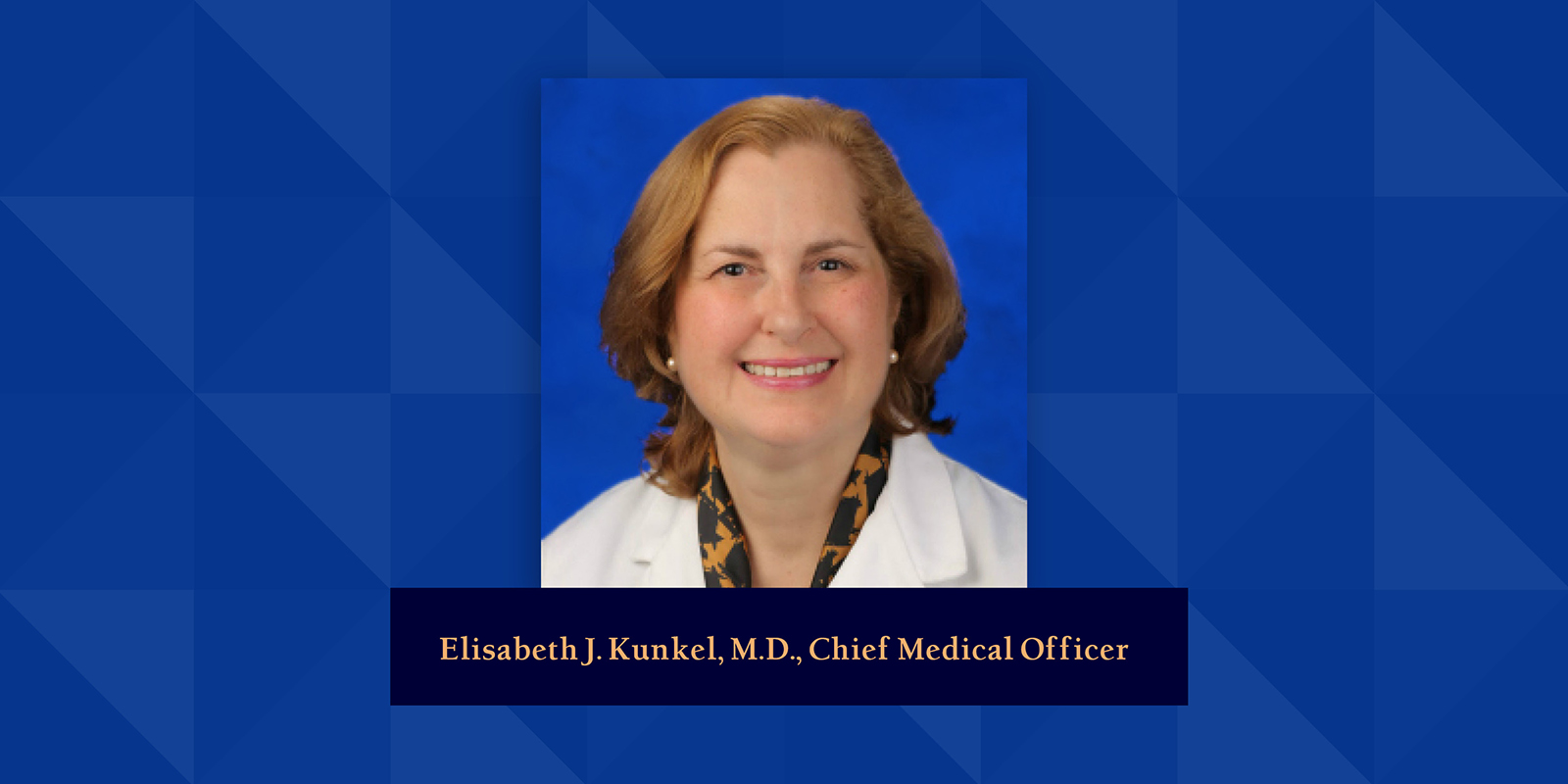
In celebration of Women's History Month, the Pennsylvania Psychiatric Institute (PPI), a Penn State Health Enterprise owned by Penn State Health, proudly showcases the academic journey of Dr. Elisabeth J. Kunkel. With a career spanning decades, Dr. Kunkel's path from an intellectually curious student at McGill University to a pioneering leader as PPI’s Chief Medical Officer has been marked by significant contributions to psychiatry and relentless support for equity in medicine.
Creating a Supportive Culture
Under Dr. Kunkel's leadership, PPI has become a model of diversity and inclusion, creating a nurturing environment for all staff and enhancing patient care through a broadened perspective. "I knew I wanted to start a community and public psychiatry fellowship,” to provide expertise to patients and their families. “Mentoring faculty and developing them and their careers has given me great pleasure." Her mentorship and leadership development initiatives have fostered a supportive culture that values every individual's contribution, paving the way for future generations of all medical professionals.
Dr. Kunkel's leadership extends to building a nurturing workplace at PPI, where providers are encouraged to pursue educational opportunities that contribute to their personal growth. This makes providers feel that their work is meaningful and valuable. This support enhances the team’s overall effectiveness and academic productivity. Her emphasis on mentorship, respect and academic nourishment forms the cornerstone of an inclusive culture that values everyone’s contribution.
"I think mentorship and support for faculty and making them feel respected, valued and academically nourished is important. Academic support, including education, research and clinical care are always on the top of my list," Dr. Kunkel explains. "If somebody says to me, 'Doctor Kunkel, I want to do XYZ. This is an educational opportunity for me, and this is what it's going to bring back to the team.' If I can make it happen for them, I make it happen."
This philosophy not only underscores Dr. Kunkel's importance on individual development and team synergy, but also reflects PPI's overarching mission to provide a workplace where diversity is embraced and every staff member is empowered to reach their full potential. Through such a supportive framework, PPI stands as a model institution that excels in psychiatric care and fosters a culture of inclusivity and professional growth.
Addressing the Mental Health Crisis
With a deep understanding of the current mental health landscape, Dr. Kunkel has been at the forefront of efforts to make mental health care more accessible and effective.
"We're in a mental health crisis nationally right now," stresses Kunkel. "The rates of mental illness and suicidal ideation have skyrocketed, leading to full and congested emergency rooms. So many people are knocking at our door that it's harder to get in. There's an access crisis that drives the mental health crisis."
This surge in demand for mental health services has led to the significant access crisis. Recruitment of providers can’t keep pace with the request for services. Recruitment must blend in a plan to meet each applicants’ personal and professional career development goals.
Explaining the difficulties patients face in accessing care, Kunkel offered, "One thing that people don't understand is if they call up, and they say I want an appointment with you, and the person on the other end of the phone says we don't have anybody taking new patients right now. That isn’t the end of the conversation.”
In these situations, Dr. Kunkel advises:
Asking if there is a waiting list
If so, requesting to be put on the waiting list
Following up regularly to see where they stand on the list
Doing the same steps at multiple locations and programs simultaneously
At PPI, patients can contact the Admissions Department, available 24 hours a day, seven days a week, by phone at 717-782-6493 or 866-746-2496.
A Legacy of Leadership
Dr. Kunkel's influence extends beyond PPI, with her advocacy work, contributions to organized medicine, and national networking impacting mental health policy at both state and federal levels. Nationally, Dr Kunkel is Past Chair of the AAMC CMO Group Steering Committee and at the State level, she sits on the Board of Directors for HAP.
Her leadership style, marked by compassion, innovation and resilience, inspires women and people of diverse backgrounds to excel in medicine, psychiatry and beyond.
As we honor Dr. Kunkel's achievements, PPI reaffirms its commitment to fostering a workplace that celebrates diversity, encourages innovation and academic productivity and supports the well-being of all her colleagues.
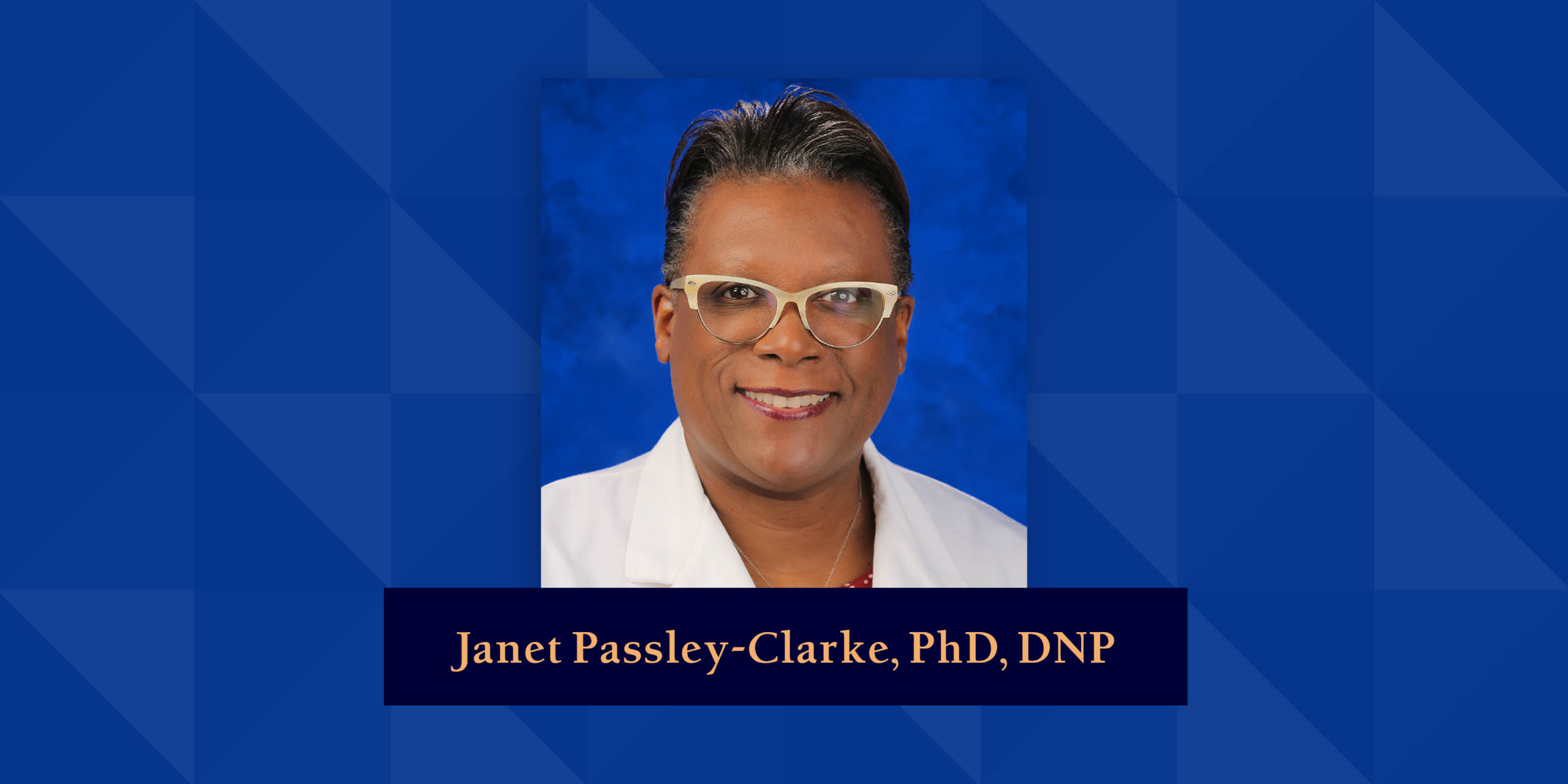
The Pennsylvania Psychiatric Institute (PPI) is at the forefront of addressing mental health challenges in the Black, Indigenous and people of color (BIPOC) communities, with Dr. Janet Passley-Clarke leading significant initiatives. With over 25 years in mental health, Dr. Passley-Clarke brings a wealth of experience and insight to her work for the central Pennsylvania community and the people PPI serves.
“Our patient population extends far and wide. We have clients in Dauphin, Cumberland, Columbia, York, Lebanon and Perry counties,” said Passley-Clarke when discussing the wide range of people served by PPI. “Through our telehealth services, we have people from different places across Pennsylvania.”
Passley-Clarke’s role at PPI includes managing advanced practice providers in psychiatry and behavioral health, providing care for adult mental health clients and advocating for diversity, inclusion and equity within the organization. Her dedication to cultural competency in health care is evident, emphasizing the therapeutic value of patients finding culturally similar providers while acknowledging that effective care often transcends ethnicity.
Addressing Unique Challenges and Health Care Disparities
In a recent interview, Dr. Passley-Clarke highlighted the unique challenges facing the BIPOC communities such as communication barriers, language and cultural differences, generational trauma and navigating of the health care system. She discussed the importance of inclusivity in treatment and the need for providers to be aware of biases and microaggressions that could make patients feel undervalued.
From her clinical experience, Passley-Clarke highlighted the benefits of being made aware of the concerns facing the BIPOC community and working with a proactive mental health provider: “You have increased therapeutic value when you're able to find a provider who is culturally similar to you.”
Based on data provided by the National Institute of Mental Health, nearly one in five U.S. adults live with a mental illness (52.9 million people in 2020). While people of color (POC) have rates of mental health disorders similar to Whites, these disorders are more likely to last longer and result in more significant disability for POC. Most mental illness goes untreated, especially in BIPOC communities. Fifty-two percent of Whites with acute mental illness received mental health services in 2020, compared to 37.1% of Blacks and 35% of Hispanics.
According to the American Psychiatric Association, the following factors can impact the ability of individuals from various ethnic, racial and socioeconomic backgrounds to access mental health treatment:
Insufficient or absence of health insurance coverage
Greater prevalence of stigma associated with mental illness within minority communities
Limited representation of diverse ethnicities and races among mental health care professionals
A shortage of mental health care providers who are culturally sensitive and competent
Challenges arising from language differences
A general mistrust toward the health care system.
PPI addresses these challenges through various means, including hiring diverse staff and offering specialized services and programs. These efforts reflect a commitment to understanding and meeting the needs of the BIPOC communities in central Pennsylvania.
When pairing providers with clients, Passley-Clarke advises looking at their experiences and their understanding of the experiences shared with new clients. In her work at PPI, she has observed this additional level of care resonating with patients, “You want to make sure that that client knows that you are culturally aware.”
Holistic and Comprehensive Care Approach
PPI’s holistic approach addresses mental health and other aspects of patients' lives that could impact their well-being. She mentioned the role of community health workers like Cristel Woodcock, who assists BIPOC individuals in navigating health care, and the availability of mental health support groups open to all community members.
Moreover, PPI tackles socioeconomic factors by offering financial assistance programs and employing resource coordinators to help with housing, language barriers and access to specialized services. The institute’s commitment to recovery-oriented care involves the patient at every stage of their treatment, ensuring they feel valued and heard.
"As a Penn State enterprise, we can look at care beyond what we have at PPI. If our patients need more specific or specialized services, we can access it from entities as the client’s need dictates.” Stressing the importance of the relationship between providers and patients, Passley-Clarke said, “Sometimes that just means picking up the phone and being their advocate” and securing the resources they need to improve their mental health.
Empowering Patients and Embracing Community
Dr. Passley-Clarke advised BIPOC individuals who are hesitant about seeking mental health treatment to reach out and seek support, emphasizing the importance of taking that first step toward mental health stability. PPI’s efforts in staff education and training, diverse program offerings and patient-specific care demonstrate a deep commitment to serving and empowering the BIPOC communities.
Advising on the first step, Passley-Clarke emphasized, “Reach out to someone. It doesn't matter who that person is. But reaching out is important."
With a focus on inclusivity, representation and comprehensive care, PPI and Dr. Janet Passley-Clarke play a critical role in advancing mental health care for BIPOC communities in central Pennsylvania. Their dedication to evolving and meeting the changing needs of the region’s diverse community sets a benchmark in behavioral health services.
If you need help, please call the PPI Admissions Department at 717-782-6493 or 866-746-2496. The Admissions Department is available 24 hours a day, seven days a week.
In the heart of central Pennsylvania, the Pennsylvania Psychiatric Institute (PPI) is leading a transformative approach to mental health through Dialectical Behavior Therapy (DBT). This program is not just therapy but a beacon of hope for those battling intense emotional struggles. In an interview with Shana Rivera, Clinical Supervisor of DBT at PPI, the importance of this program to the residents of the Harrisburg area was explained.
The Essence of DBT
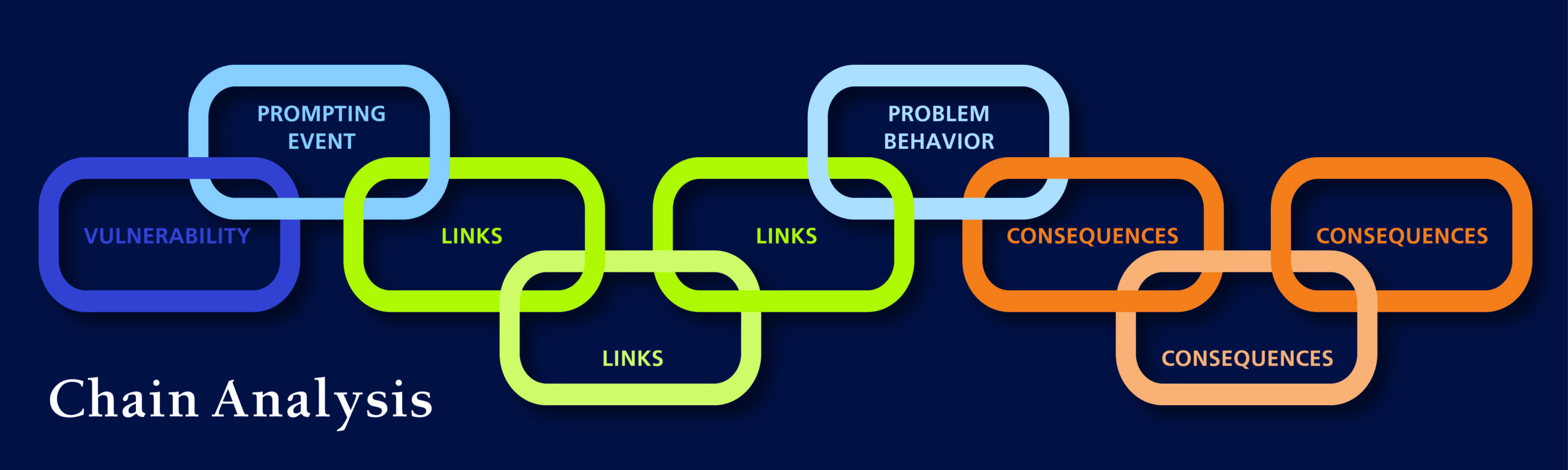
Dialectical behavior therapy, as Rivera explains, is rooted in the concept that two opposites can exist simultaneously, and by finding synthesis in them, practitioners can help clients regulate their emotions more effectively and improve their quality of life. Initially developed by Marsha Lineman while researching treatments for chronic suicidality and non-suicidal self-injury, DBT at PPI has evolved into a lifeline for those grappling with various mental health challenges. It combines the rigors of behavioral modification with the validation and reflection of the humanistic approach, offering a unique blend of acceptance and change.
“With DBT, we modify behavior,” said Rivera, “by teaching our clients skills for balancing reason and emotion and cultivating effective discernment and self-awareness. The ultimate goal is to help them live their lives more effectively.”
The DBT Program at PPI
Pennsylvania Psychiatric Institute’s DBT program distinguishes itself in central Pennsylvania. It’s a meticulously structured 15-week intensive outpatient program, including individual therapy sessions, group skills training, weekly consultation team meeting, and a novel feature - an 'on-call' coaching service available every day from 8 a.m. to midnight.
"The core principles behind the program, the idea of DBT as an evidence-based practice, includes skills training in mindfulness, distress tolerance, emotion regulation and interpersonal effectiveness,” said Rivera.
The treatment goals for clients in DBT include the development of:
Interpersonal and communication skills
The ability to tolerate distress
The ability to understand, name and regulate emotions
Self-awareness
The Challenge and Commitment
Embracing this unique treatment option is a journey that demands commitment. Rivera emphasizes the importance of patient dedication, stating that the therapy’s effectiveness hinges on active participation and the willingness to embrace change. The program’s rigorous nature includes daily diary card keeping, regular skill application and a steadfast commitment to attending sessions.
"It's going to require that you fill out a diary card every single day,” said Rivera, concerning the commitment required to complete the DBT program at PPI. “That you are trying to identify your emotions daily. That you are doing homework 98% of the time. The homework is not like writing essays. It is you going home, practicing applying the skill in your natural environment and then returning so we can troubleshoot its effectiveness."
Dialectical behavior therapy classes at PPI are offered on Mondays, Tuesdays and Thursdays in the morning from 9 a.m.-Noon or in the afternoon from 12:30-3:30 p.m. Individual sessions are offered one time per week for 60 minutes and coaching calls are available to individuals who are enrolled in any of PPI’s DBT programs outside of business hours.
Transformative Impact
Rivera shares heartening success stories, like a patient who overcame severe suicidal tendencies to find a renewed zest for life, eventually returning to professional work and exploring her passion for art. These stories are testaments to DBT’s transformative power, underscoring its efficacy in not just managing mental illness but enabling individuals to lead fulfilling lives.
Rivera recounts, "She developed not just an increased insight, knowing what triggers her, but she was also able to work through and develop skills to build a productive life. She ended up being able to return to work full-time and obtain a certification in peer support to share her lived experience of healing with others."
DBT’s Role in the Community
DBT at PPI is more than a treatment; it's a community service. It offers a comprehensive pathway for those dealing with emotional dysregulation and mental health disorders, providing them with tools for a better life. The program’s inclusivity and adaptability make it a crucial resource for central Pennsylvania residents seeking mental wellness.
Rivera emphasizes, "DBT can benefit anyone. Don’t question it. Reach out. We will help triage anyone who is thinking of reaching out for help, we can guide you to the appropriate treatment."
For an in-depth discussion about how DBT can help you reach your goals, call 717-782-6515.
A Vision for the Future
As DBT evolves at PPI, Rivera envisions expanding services to encompass individualized trauma therapy and a more robust aftercare support system. This vision aligns with PPI's commitment to holistic care, recognizing the diverse needs of its community.
At PPI, Dialectical Behavior Therapy is more than a clinical program; it’s a journey toward self-awareness, emotional resilience and personal growth. As Rivera and the team continue to break new ground, they are not just treating conditions but changing lives, one session at a time, in central Pennsylvania.
Who does the DBT program at PPI treat?
Dialectical Behavioral Therapy (DBT) is a form of therapy that was developed for individuals diagnosed with Borderline Personality Disorder (BPD) or individuals who have strong traits of this diagnosis. DBT has also been utilized to treat individuals with drug and alcohol addictions, eating disorders and for pain management. Individuals can attend the DBT program if they are at least 18 years old and are not currently attending high school. Individuals may attend college or work while attending the program; however, full-time employment and a full college course are not recommended while attending the program, as it is intensive.
Contact the admissions department at 717-782-6493 to learn more.
The team at Pennsylvania Psychiatric Institute (PPI) understands that treatment is not always clinical. There are other creative therapy options, like art therapy, that help the recovery process and contribute to healing and rehabilitation.
Art therapy is a form of psychotherapy that uses art as the primary mode of communication. This can be done through painting, collage, sculpture and more. “Allowing someone to explore their inner world, art therapy provides a safe environment for expression. It is used to communicate with others and improve physical, emotional and mental wellbeing” explains Vanessa Clough, MA, ATR-P, Art Therapist at PPI.
As someone who was always creative, Vanessa knew she wanted to be in the art world. “Art gave me the opportunity to express myself and be seen; it was a way to communicate.” When earning her Bachelor of Fine Arts from Pennsylvania College of Art and Design, she took psychology electives and was drawn to the ‘why’ of art, finding more interest in knowing why somebody made something than judging it. From there she earned her master’s degree in art therapy from New York University.
Anyone that is willing and open minded can see an art therapist. “You don’t have to be good at art to participate in art therapy. Stick figures are always welcome. It’s about the process, not the aesthetics” notes Vanessa. Vanessa works together with PPI’s traditional therapists to identify who can benefit from art therapy. Depending on therapeutic goals, art therapy can be a way to help someone express more emotion, get in tune with their memories and process trauma. “If someone is struggling to process verbally and it’s hard for them to assess or verbalize how they are feeling, it could be appropriate for them to express themselves or work through those emotions with art” expresses Vanessa.
Vanessa sees patients of all ages, from children through seniors. “Children may not yet have the skills to put their experiences or feelings into words, but they can use art as a form of expression. With children, art therapy can allow them to practice coping skills through the art process. For example, if they could benefit from mindfulness or grounding techniques, I’ll take out watercolor and straws and have them move the paint around by blowing through the straws, where they are practicing breathwork as they paint. Most of the time children are very willing to create, older adults on the other hand, are sometimes more hesitant. I work with them to break down the barriers of judgement and fear of not being good at art. I help to find a way that allows them to feel safe and supported in expressing themselves, letting go of preconceived ideas of what it should look like.”
Working on setting up an art therapy space in each unit, Vanessa currently travels with an art cart to the activity and day rooms to meet with patients. “My goal is to provide a safe and supportive environment for patients so they can freely create without judgement” explains Vanessa. She chooses materials and interventions appropriate to the therapeutic goals of each patient, making sure they have a variety of choice while also keeping track of the materials to ensure safety.
“I pay attention to how people use art materials in combination with assessment skills, which can help me gain a better understanding of the patient. For example, if someone is withdrawn, or exhibits restricted movements and restrained use of color in their work, they might be experiencing symptoms of depression. On the other hand, if someone presents as more restless and is more expressive with color and their mark making, it’s possible that they might be feeling more impulsive or overwhelmed.”
Depending on the symptoms, Vanessa chooses an activity and materials that would be of the most benefit for the therapeutic goal. “If the goal is to reduce anxiety or stress, I might have them use something more fluid like watercolor or tempura paint sticks. If the goal is to release tension or anger, I might encourage something more physical and kinesthetic, like tearing paper or sculpting clay.” notes Vanessa.
Specifically exemplified for those with PTSD, art therapy provides a great avenue for the healing and recovery process. “When people experience trauma, it is processed in the nonverbal areas of the brain, and therefore those memories and experiences can be hard to access. Art is a great way to access those areas to express the emotions that are difficult to verbalize otherwise.” Art therapy gives a voice to someone’s innermost thoughts and feelings while also providing a sense of normalcy and autonomy for admitted patients. It gives them a break from talking and group work to do something enjoyable and stress-relieving. Art therapy also provides addiction recovery patients with a healthy alternative coping skill.
Although trained to assess and understand symbols, being an art therapist is not about assuming the meaning but focusing on the artist self-identifying the meaning of their work. Vanessa illustrates, “The process of making art itself can be healing and transformative. By engaging in the process of creating something, you're starting something, you're building something, reorganizing it, reconstructing it. In doing so you're making a lot of choices in the process which allows people to reflect on the choices they make and what is created out of that. By engaging in that process and looking at the final product, it becomes a metaphor for how we live and deal with things in life. The final product itself is a container for those thoughts and feelings and experiences. It allows people to gain new insight and perspective where they can become more self-aware and have a greater understanding of their life and the world.” An art piece becomes a tangible object that can be looked at that helps externalize difficult experiences. Over time, these pieces show the physical progress of the patient.
Through her work, Vanessa has seen how art therapy can transform lives. “I had a client who went through a lot of trauma and abuse at the hands of her parents who also struggled with substance use when she was younger. She struggled with her self-esteem and negative self-talk. Through art therapy she was able to find a voice and feel empowered. She became more verbal about her art and even wanted to hold an art show to share it with others.” Vanessa’s passion for her work and how it positively impacts those she works with is clear to see.
Art therapy is currently only offered for inpatients at PPI. Learn more about our other programs here, or reach out to our admissions department to make an appointment, by calling 717-782-6493.
Mental health and substance abuse, though not always co-occurring, are often linked together. “Mental health and substance use disorders are independent, but frequently overlap. 15-20% of those with a mental illness will also have a substance use disorder, where 60-70% of those with a substance use disorder will have a co-occurring mental health disorder” explains Sarah Kawasaki, MD, Director of Addiction Services at Pennsylvania Psychiatric Institute (PPI) and an associate professor for the Department of Psychiatry and Behavioral Health and Internal Medicine and the Division Director of Addiction Services at Penn State Health.
Dr. Kawasaki has been treating those with substance use disorders at PPI for the past seven years, since being hired to head Advancement In Recovery (AIR), an opioid treatment program that interfaces with psychiatrists, as well as works through challenges and opportunities for growth and improvement. On occasion, she provides education for PPI faculty and staff on these disorders and the individuals that may need help.
Dr. Kawasaki helped destigmatize addiction medicine, increasing the ability for patients to get the treatment they need. “When I was hired to open the opioid treatment program, we were able to change the culture on addiction treatment at Penn State. Initially, the excuse was that there was no place to send the patients, which changed when this clinic was opened. We created a consultation liaison team at the main hospital and emergency department to start recovery treatments for the patients they saw there. Because of this we can treat patients all over central Pennsylvania.”
Previously, the thinking was that the substance use disorder needed to be in remission to treat the mental illness, because the diagnosis wasn’t thought to be accurate otherwise. However, there comes a point where the problem needs to be treated. “Sometimes the mental illness can be more complicated than the addiction. For the individual who struggles to stop using, providing treatment for their mental health is important to see if it can positively impact the substance use disorder. Thankfully, substance cessation six weeks prior to mental health treatment is no longer needed and is falling out of fashion” notes Dr. Kawasaki.
A benefit of PPI is that both programs are located in one place, allowing quality care to address both, better facilitating effective recovery. When dealing with both, there is no way to prioritize what is going to help the patient first. Instead, whichever is the most bothersome to the patient will be prioritized, though treatment for both can run concurrently. Dr. Kawasaki further explains the benefits, “By being able to offer programs for both in one facility, we can more easily get people in to be seen by a psychiatrist, which our patients appreciate. We can establish a treatment team with a few providers deep to establish stability in the lives of patients who often see instability.”
Addiction is a chronic illness, and some, like those who have had a substance use disorder for upwards of decades, will need a few years of treatment to fully recover. PPI offers ongoing treatment and support and therapy groups as needed. This also applies to family members and friends. “I encourage family to go to appointments at the clinic to meet the providers and get educated on what the patient is going through with treatment” recommends Dr. Kawasaki.
“People largely don’t want to be destructive to themselves. Regardless of someone’s behavior, when they are addicted, they want help, even if they don’t show it. The best resource for family members and friends struggling is attending an Al-anon or Nar-anon meeting, where someone there can help them better understand.” - Sarah Kawasaki, MD
Mental illness previously had stigma like substance use disorder does today. “I am hopeful with time having an addiction and seeking treatment is less stigmatized. Addiction is a challenge, and it can be scary, but it’s treatable” reassures Dr. Kawasaki.
Dr. Kawasaki earned her medical degree at the University of Maryland School of Medicine. She did her internal medicine residency at Johns Hopkins Bayview Medical Center. Most recently she served as Director of Internal Medicine at Healthcare for the Homeless in Baltimore, MD, where she treated a mentally ill and substance using homeless population in Baltimore.
If you or anyone you know is struggling with addiction issues, help is available. You can learn more about PPI’s Advancement In Recovery (AIR) Program by clicking here, or to make an appointment, please call 717-782-6493.
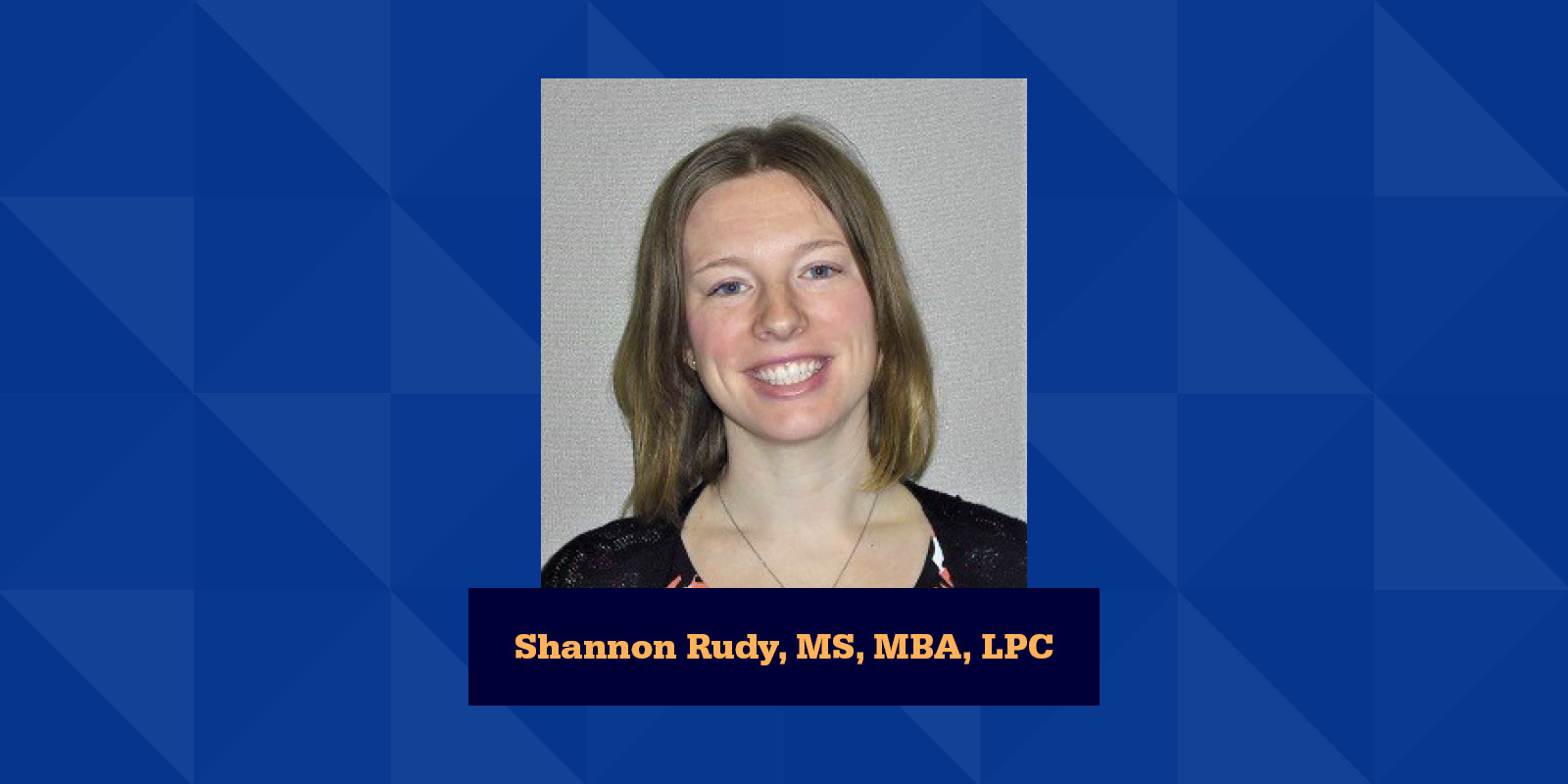
For over seven years Shannon Rudy, MS, MBA, LPC, has been the Child and Adolescent Partial Hospitalization Program Manager at Pennsylvania Psychiatric Institute (PPI). Prior to becoming the program manager, Shannon was a Family Based Program Director for Cumberland and Perry counties. She also has experience in being a manager of an Alternative Living Unit with adults with disabilities and working with adults/children in the outpatient therapy setting.
She is a certified clinical supervisor for LCSWs/ LPCs, completed a 3-year eco-systemic family therapy training program, and although not technically certified, she has over 30 hours of Dialectical Behavioral Therapy (DBT) trainings. Shannon also obtained her MBA with a specialization in Health Care Management.
Shannon has a natural empathy for children. “I originally went to college at Shippensburg for teaching. But I took a psychology course and was fascinated by the class, especially learning about the developmental stages of life and the results of when a stage is disrupted by trauma.” Shannon reflects
“ I have a twin brother with Tourette’s. Watching him go through school was so hard. Children bullying him because he was different and even teachers didn’t know how to handle the situation. Children are put into situations or life experiences that aren’t their fault, and my passion is to be an advocate for children. To help get children into services that can help them overcome those obstacles.”
As the program manager, Shannon is dedicated in serving the children/adolescent population. She believes in taking an active role in supporting her staff so that her staff can better support the children/ adolescents. “In our program it’s a team effort. If staff need extra support that day than that’s what they get. If a child needs an impromptu session because of events that took place the night before than that’s what they get, even if it’s me stepping in and being that support”. Shannon also makes herself available for children/adolescents to practice their learned DBT skills in real time such as when children need to practice their communication skills or engage in therapeutic interactions. Shannon believes in leading by example. She wouldn’t ask staff to do anything that she wouldn’t do herself.
Further speaking to Shannon, she believes that the program should always be adapting and changing to meet the children’s needs not vise versa. She is dedicated towards quality improvement initiatives such as their 5 Star’s Program and Mile Zero. Her goal for the program is to ensure it runs effectively and smoothly for all children and families participating in the Child and Adolescent Partial Hospitalization Program.
What is the Child and Adolescent Partial Hospitalization Program?
The program operates on an approximate 15-day cycle Monday through Friday 8am-2pm for school-aged students. The program runs throughout the year, including summer, however during the school year, kids will attend this program instead of going to school for the 15 days. Shannon explains, “This program is for children whom outpatient therapy of one to two times a week isn’t enough. It can also be used as a step down from 24-hour care, to help transition them down to less intensive services.”
“The partial unit focuses on a DBT informed version of Marsha Linehan’s Comprehensive outpatient DBT program for Adolescents. We focus on DBT due to the short duration of the program and the fact that it works well with adolescents. We teach them to not focus on the past – as it can’t be changed, to not worry about the future – why worry about what is yet to happen but instead focus on the here and now."
There are four main areas the program teaches on:
Mindfulness
Interpersonal effectiveness
Emotion regulation
Stress tolerance
“We try to teach as many skills through these four areas as possible as we realize each skill won’t work for everyone. The focus is to teach a skill in a group room, have them apply it in our unit classroom setting, and then go home and practice the skill. The next day we ask the children how it went, if there were any barriers, and then we build on what they learned with a new skill” outlines Shannon.
What people may not realize is that this mental health services in available during the summer months as well. “With summer vacation, our waitlists shrink, so summer is a good time for faster access into these programs” adds Shannon. “In addition to the partial program, outpatient therapy groups will be starting in July. Groups like social skills and emotional regulation for those elementary-aged, interpersonal and mindfulness for middle school and emotional regulation for adolescents. A parenting support group and a LGBTQIA+ group will also be included.
Program success
Partial program
Shannon tells of a story of success, “We had a child who refused to go to school, and the family didn’t understand why. The family thought something happened at school or maybe their child was getting bullied. When they came to PPI, our staff was able to work with both the child and the family to identify the reason for refusal to attend school. There were recent dynamic changes in the child’s home life and the child was afraid something else would change while at school. Staff was able to create a safe space for the child to communicate openly to parents while at the same time give guidance to the parents in a supportive nature. This environment allowed for the family to be successful. Throughout treatment we engaged the school to help lend more supports to the child. We had ongoing active communication with the school even after the child was discharged from our care to help solidify a plan for the child in the school setting. A few months later the school reached out to give us a positive update.”
Outpatient program
“Our goal is to increase access to mental health services. By providing outpatient groups we can provide a full continuum of care. Children can step down from inpatient to partial to outpatient groups. By offering group therapy PPI can serve more children who otherwise might not receive any mental health services. We also want to be that bridge for children who are waiting for long term outpatient therapy. Research has shown children who have continued mental health services at each level of titration have better outcomes then children who have a gap in mental health services.
“Children can join the outpatient groups without going through the partial program. It’s a way we can be an additional resource for children in the community needing mental health help.,” explains Shannon.
Access to care
“After COVID, services have become even more limited. It became even harder to find a psychiatrist. There was an explosion in people needing both psychiatric and therapy services, but the providers were not taking new clients. On top of that, children have always had limited access to care. At one point, we called 77 agencies and not one was taking on clients. It’s heart breaking to see a person needing help and you know what help they need you just can’t give it to them. To have your hands tied and must watch it play out is the worst feeling in the world.” This is why we are excited to offer outpatient groups.
When asked about where she hopes to take the program, Shannon replied, “My goal is to increase access to care for children. For them to receive the care they need at the time they need it. I would like to be able to remove barriers to care and open more outpatient services to children.”
Learn more about our child and adolescent psychiatric programs here, or reach out to our admissions department to make an appointment, by calling 717-782-6493.